Work Procedure For Concrete (Method Of Statement For Concrete Work)
Before starting any construction work, it is very important to prepare a work procedure or method statement. This document must be given to the consultant before the activity starts. The consultant will review it, and only after getting approval can the work start on site.
The steps below explain the procedure for doing concrete work, step by step.
Setting Out
- Setting out will be carried out with reference to the established, approved survey points.
- The Tolerance shall comply with Specification for Civil & Structural Works.
- Ensure soil condition is ready to receive blinding.

Blinding Concrete
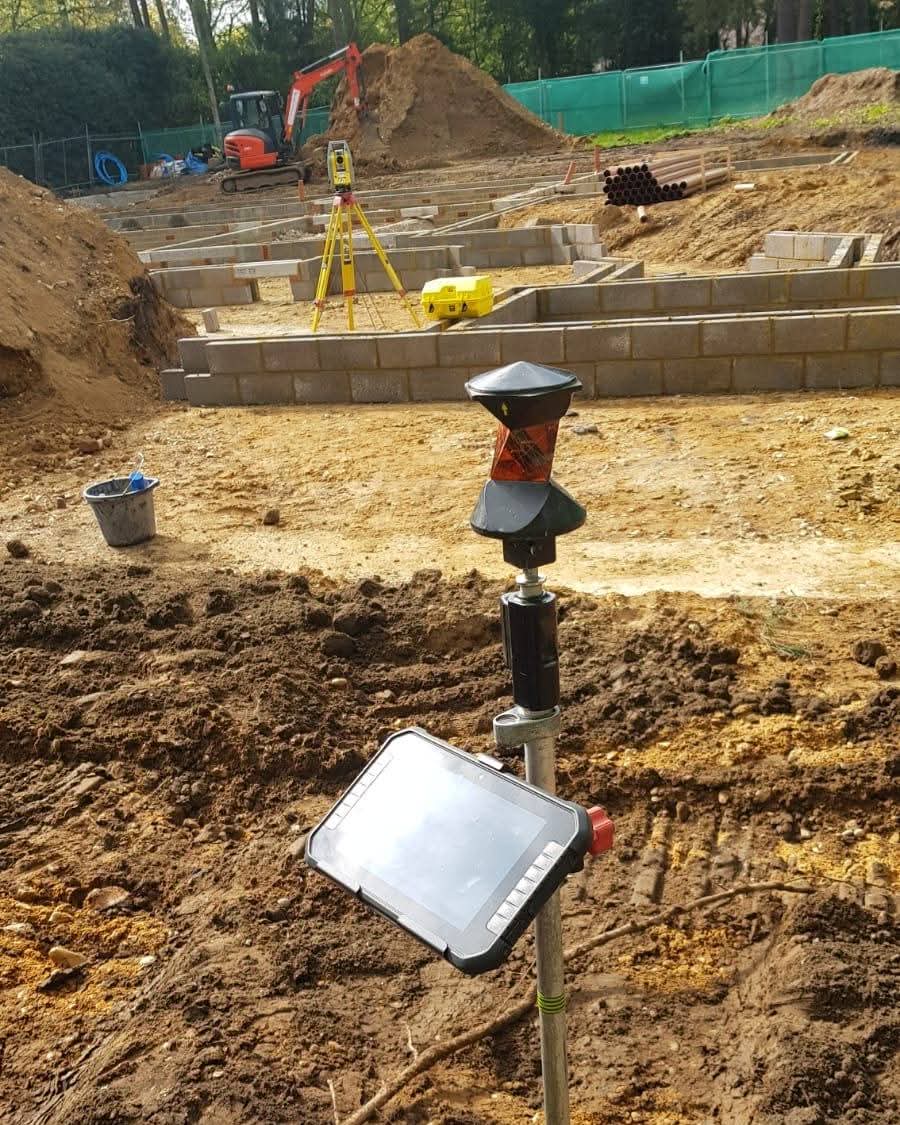
- Fixed timber forms will be formed for edges of blinding concrete.
- One-layer of 1000 gauge polythene sheet shall be laid prior to arrangement for blinding concrete.
- All foundation shall have blinding concrete as per specification.
- After final casting of blinding concrete Two coats of Approved bitumen paint applied in Horizontal surfaces & Two coats of approved bitumen paint & one layer of 6mm bituminous impregnated board applied over the paint surface. (As per Specification of Project)
- Setting out and marking will be done over screed for starting shuttering & Reinforcement for footing.
- All works shall comply with approved drawing & Project Specifications.

Form Work (Shuttering, Scaffolding)
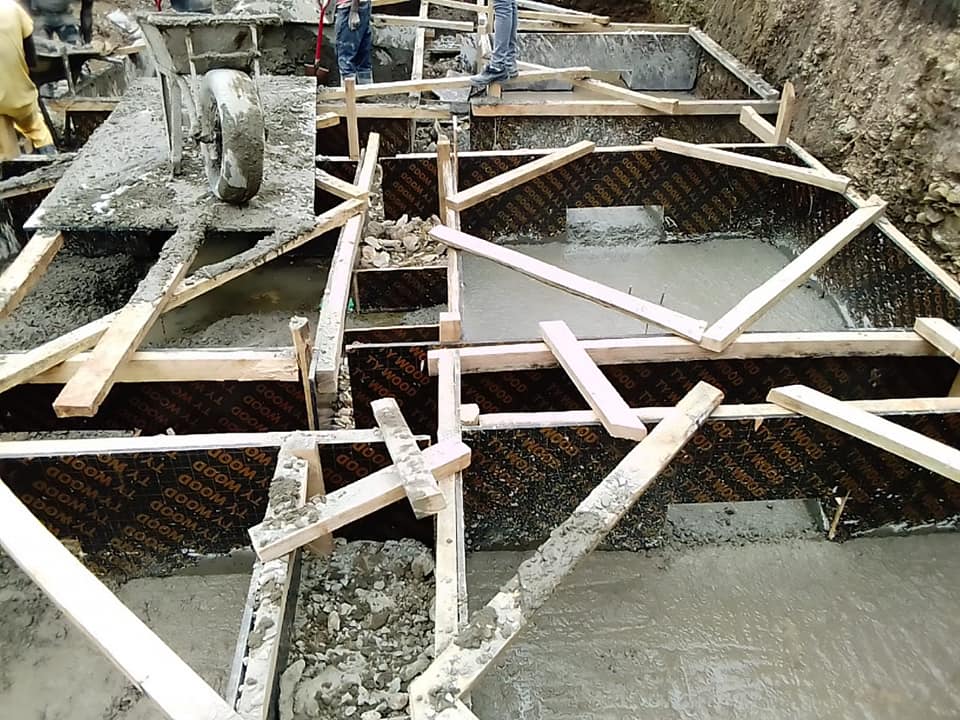
- All formworks shall be made from plywood used for the frame of formworks.
- Formwork shall be sufficiently tight to prevent leakage of cement slurry while concreting.
- Form work will be adequately propped, braced, and tied in position to ensure that it retains its shape and position before, during and after concreting.
- Level guide shall be installed for the level maintenance of concrete.
- Formwork will remain in place until the concrete has hardened sufficiently to resist damages from the removal operation which in this case in a minimum of 24 hours after placing of concrete.
- The formwork will be removed in accordance with project specification; no form work shall be removed until the concrete has gained sufficient strength.
- Formwork shall be coated with chloride free form release oil


Reinforcement fixing
- Source of Reinforcement shall be approved by Consultant prior to us.
- Fabrication & Deformation of steel will be done at Reinforcement steel fabrication shop at site.
- Assembled reinforcement will be erected manually or using crane /suitable lifting equipment (If necessary).
- Clear cover to all reinforcement shall be provided as per approved drawing & Project Specifications.


Electrical & Plumbing Conduits installation
- Make sure that all electrical, Air conditioner & Plumbing sleeves completed as per construction drawings & Project specification & approved by consultant.
- Get the MEP clearance signature form the MEP Team Prior to concrete works

Casting of concrete
- inspection from consultant & QA QC will be done Prior to concrete works
- Concrete will be delivered comply with design ready-mix, the max time between mixing and placing concrete shall not exceed 90 min.
- Concrete pouring shall be scheduled such that concreting will not take place at mid-day (10:00am to 5:00pm) during hot weather period and when shade temperature exceeds 40ºC.
- Concrete will be placed as nearly as practicable to its final position and care taken to avoid segregation of concrete, displacement of reinforcement, formwork or embedded Items, maximum free fall for concrete shall not exceed 1.5m. Temperature of concrete at the time of placement shall be measured and recorded each pour card.
- Prior to pouring of concrete, delivery tickets shall be checked and verified the grades, mix no, time, temperatures, slump, and sample cubes.
- Immersion vibrator shall be used to ensure that concrete is worked around the Reinforcement, around embedded material and into corners of forms to eliminate all air or stone pockets which may cause any cavity.
- Anchor bolts shall be placed as indicated in drawings, using suitable template, and firmly secured to the formwork
- Vibrator: sufficient quantity with adapted size shall be used.
- Concrete repair shall start immediately after formwork removing.
- Prior to pouring of concrete, rebar inside from work shall be cleaned (free of dust) by air blowing.
- NO concrete repair shall be carried out without consultant approval and for major repairs like honey combing etc.

Curing the concrete
- Surface of hardened Concrete Shall be covered with Hessian cloth plus polyethylene sheet to prevent evaporation, to retain the moisture with subject to continuous water curing for minimum 7 days after placing of concrete.
- The side forms shall be cracked after 24 hours to get initial water to the surface.
- Construction joints shall be cleaned for any spilled concrete and shall be covered with Wet hessian which will be kept damp.
- All construction joints shall have continuous key at center of joint. bonding agent shall be applied before commencing successive concreting.
- Curing the horizontal surface shall be immediately after placing the concrete and shall comply.