🔥 Project Progress Report🔥 Daily Monitoring Report🔥 Productivity Analysis

Recommended for you

Compare

No products in the compare.

Return To Shop

View Compare

0 Compare
Wishlist

No products in the wishlist.

Return To Shop

View Wishlist Add all to cart

0 Wishlist
Shopping Bag

No products in the cart.

Return To Shop
Shopping cart (0)
Subtotal: $0,00

View cartCheckout

0 Shopping Bag $0,00
Site_Logo
Menu Categories
  • Home
  • Template shop
  • Construction Templates
  • AutoCAD Drawing
  • 3D Elevation
  • Basics of Engineering
  • Estimation
  • Bill of Quantity
  • Refund and Returns Policy
  • Template shop
  • Uncategorized
Wishlist
Compare
Account
  • Templates Category
    • Template shop
  • Home
  • Template shop
  • Construction Templates
  • AutoCAD Drawing
  • Method Statements
  • Basics of Engineering
  • Bill of Quantity
  • 3D Interior
  • Civil Engineering Gallery
  • Contact us
Log in

Lost your password?

Log in
Facebook Twitter Instagram Pinterest Linkedin
  • 3D Elevation
  • Engineering calculator
  • Math Puzzle
  • Estimation
  • Refund Policy
Download Now !

Common Mathematical Symbols: Definitions and Uses

January 24, 2025 /Posted byIyman Faisal / 0

Mathematical symbols are important tools that help us to understand and solve math problems, also its used find or solve the relationships, and operations in mathematics universally. the following symbols are used commonly in mathematics

Addition (+), Subtraction (−), Multiplication (× or *), Division (÷ or /) – These symbols called as basic arithmetic operations.

Summation (∑), Integral (∫), Square Root (√), Factorial (!), Pi (π) – These symbols called as advanced mathematical operations and constants.

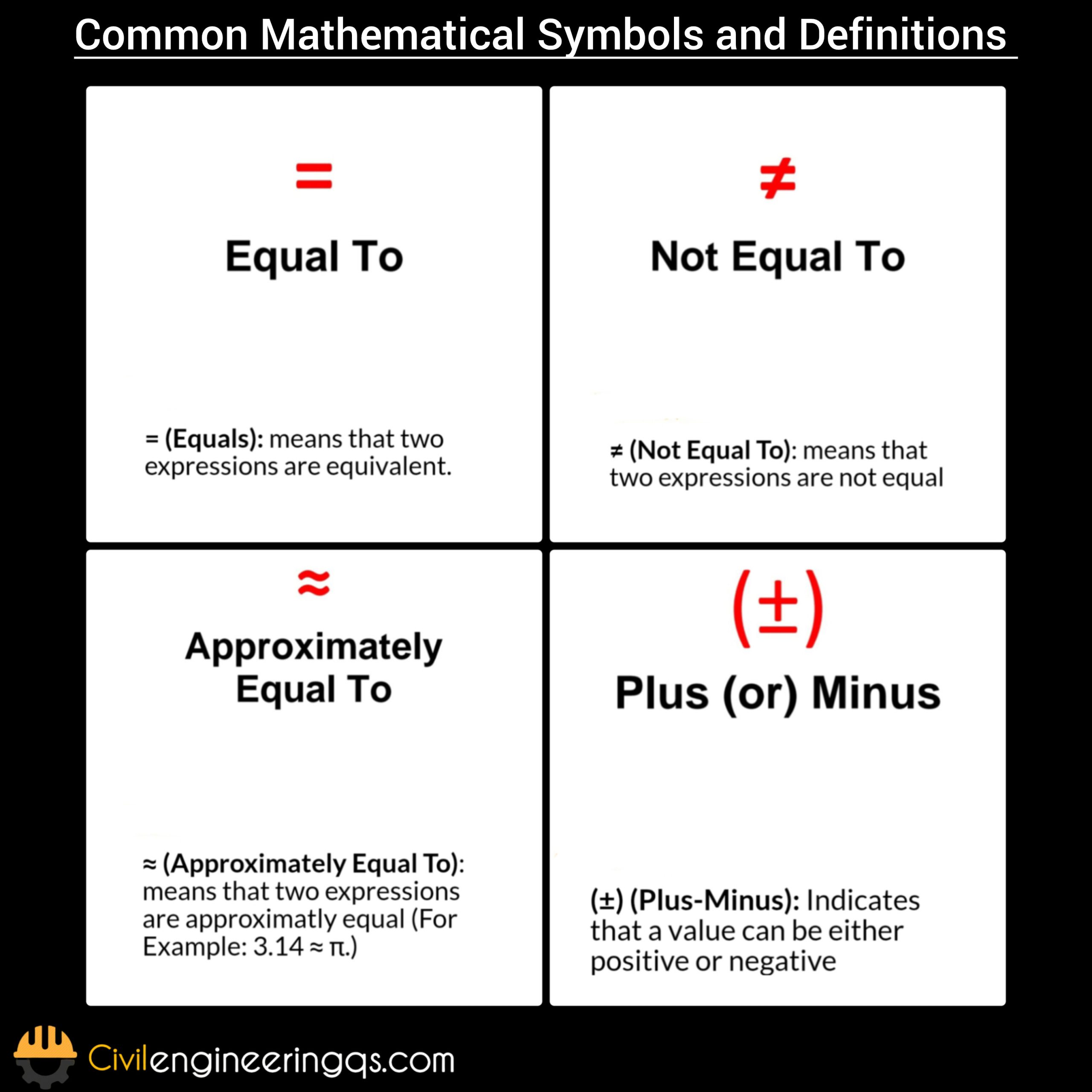
Equal to (=), Not equal to (≠), Approximately equal to (≈), Greater than (>), Less than (<), Greater than or equal to (≥), Less than or equal to (≤) – These symbols called as comparison operators and mathematical relationships

Empty set (∅), Infinity (∞), Plus-minus (±) – These symbols are used in set theory and general mathematical notation

Perpendicular (⊥), Angle (∠) – These symbols are commonly used in geometry and trigonometry.

Alpha (α), Beta (β), Gamma (γ), Delta (Δ or δ) – These Greek letters are used in various mathematical contexts, such as variables, constants, and functions.

Logarithm (log), Product notation (∏) – These symbols called as logarithmic functions and product summation.

The Following article we descripted the Mathematical Symbols with explanation
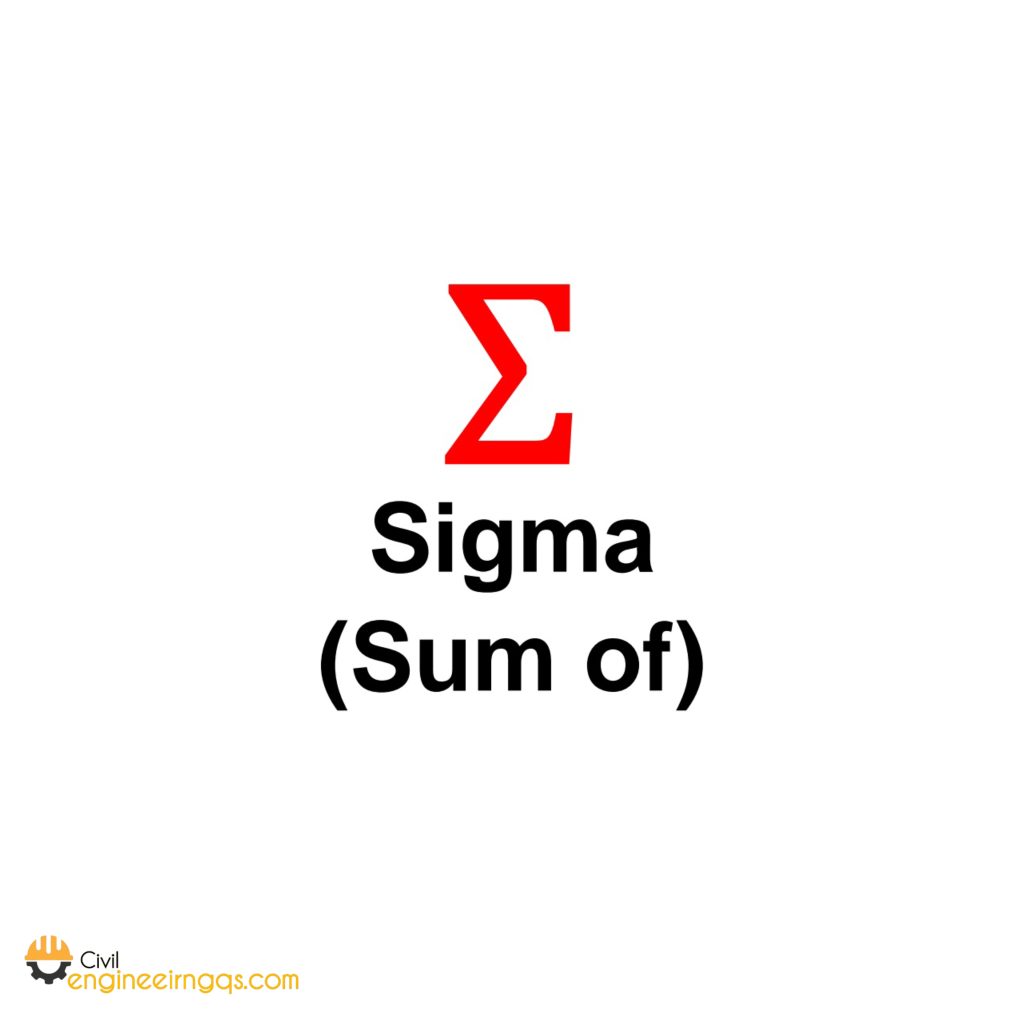
Σ (Sigma): Indicates the sum of a series of terms
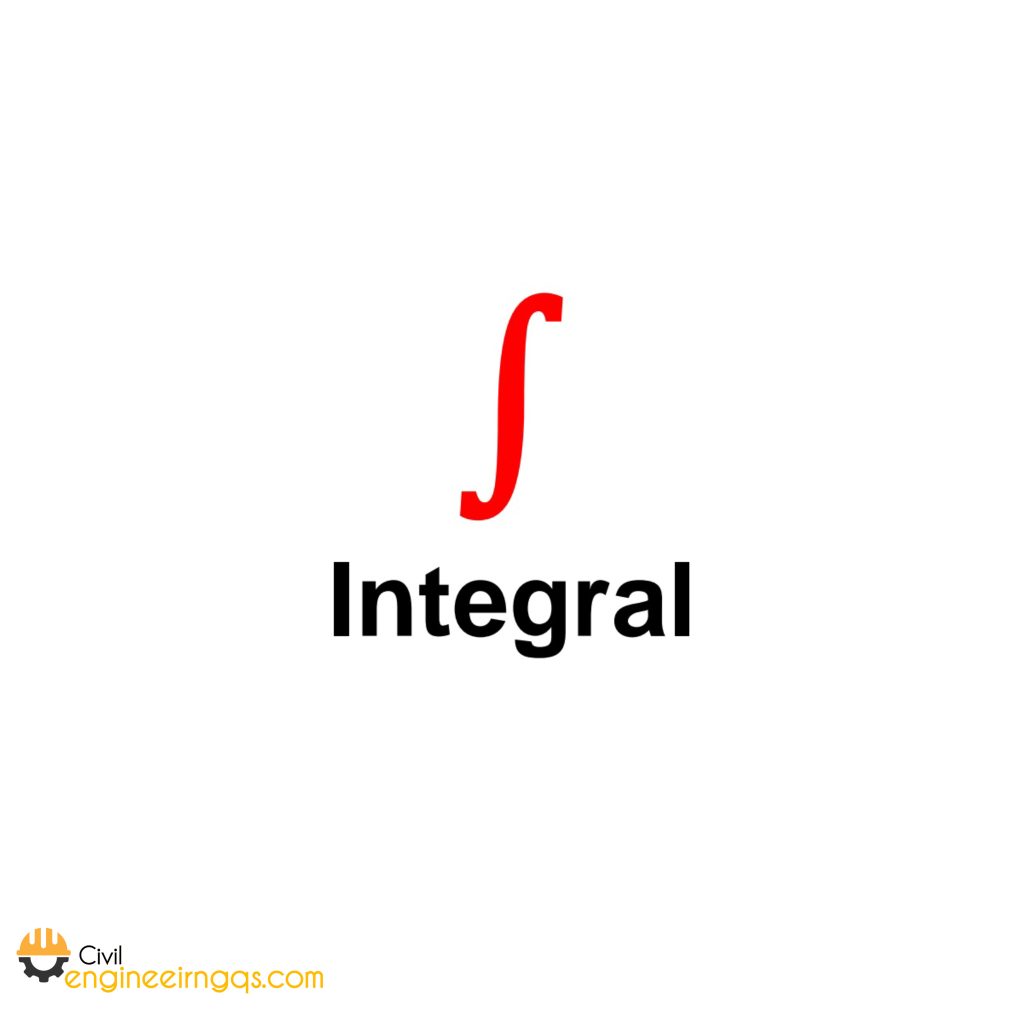
∫ (Integral): means it finds the total area under a curve.
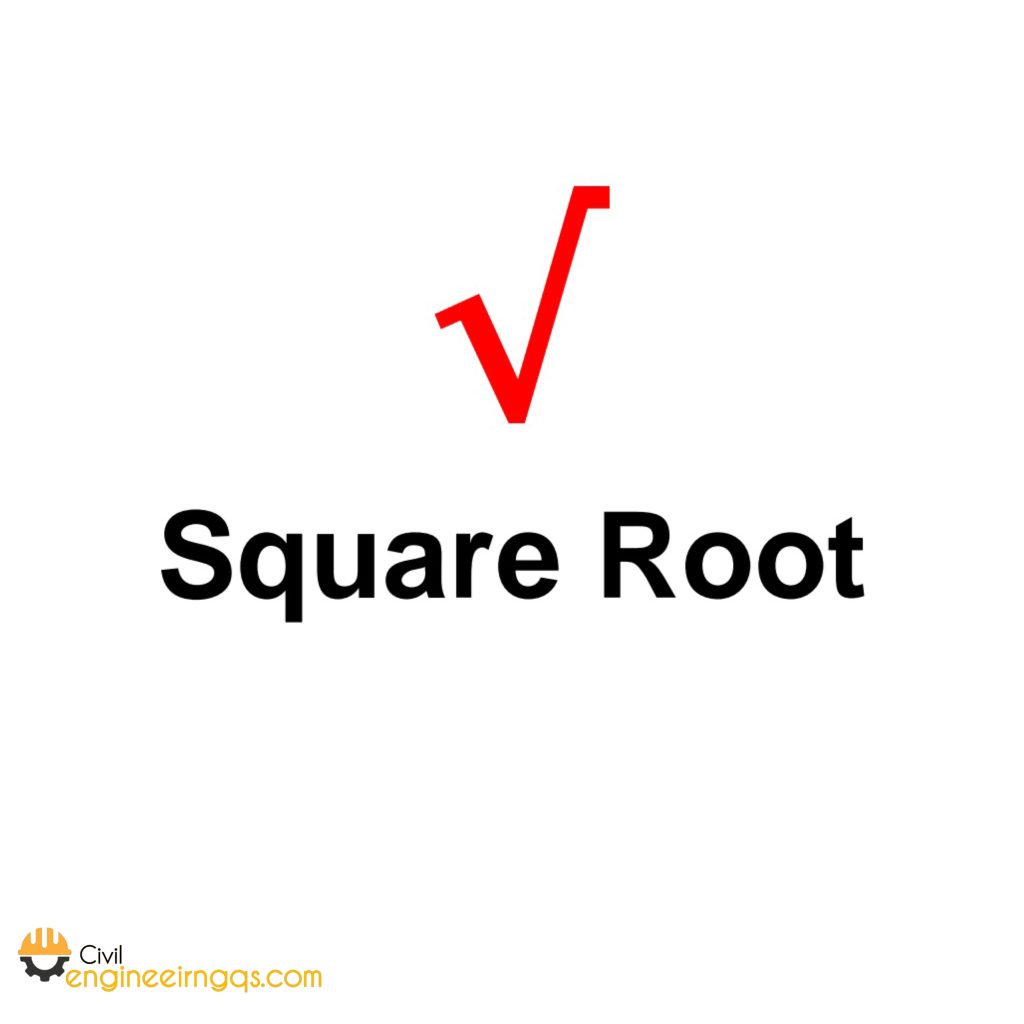
√ (Square Root): The number that, when squared (multiplied by itself), equals the original value.
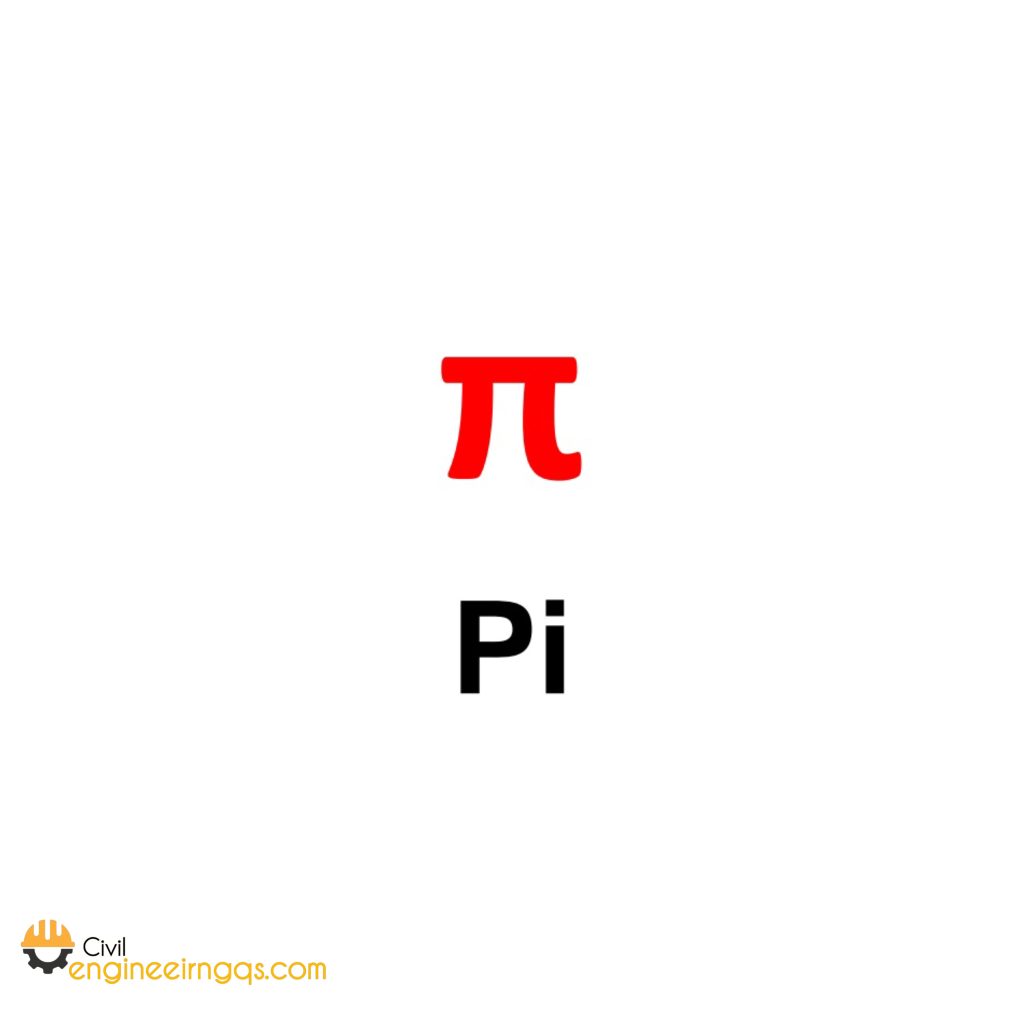
π (Pi): Represents the ratio of a circle’s circumference to its diameter, approximately equal to 3.14159.
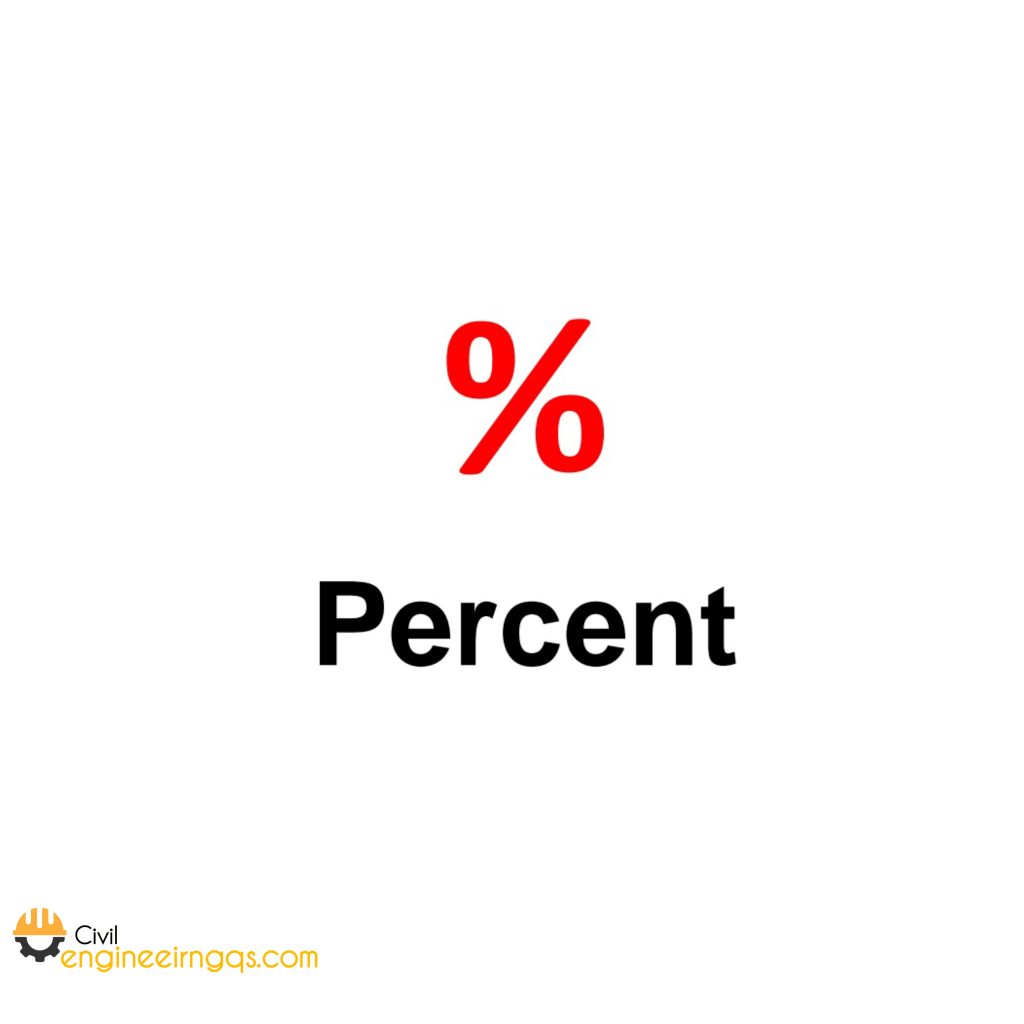
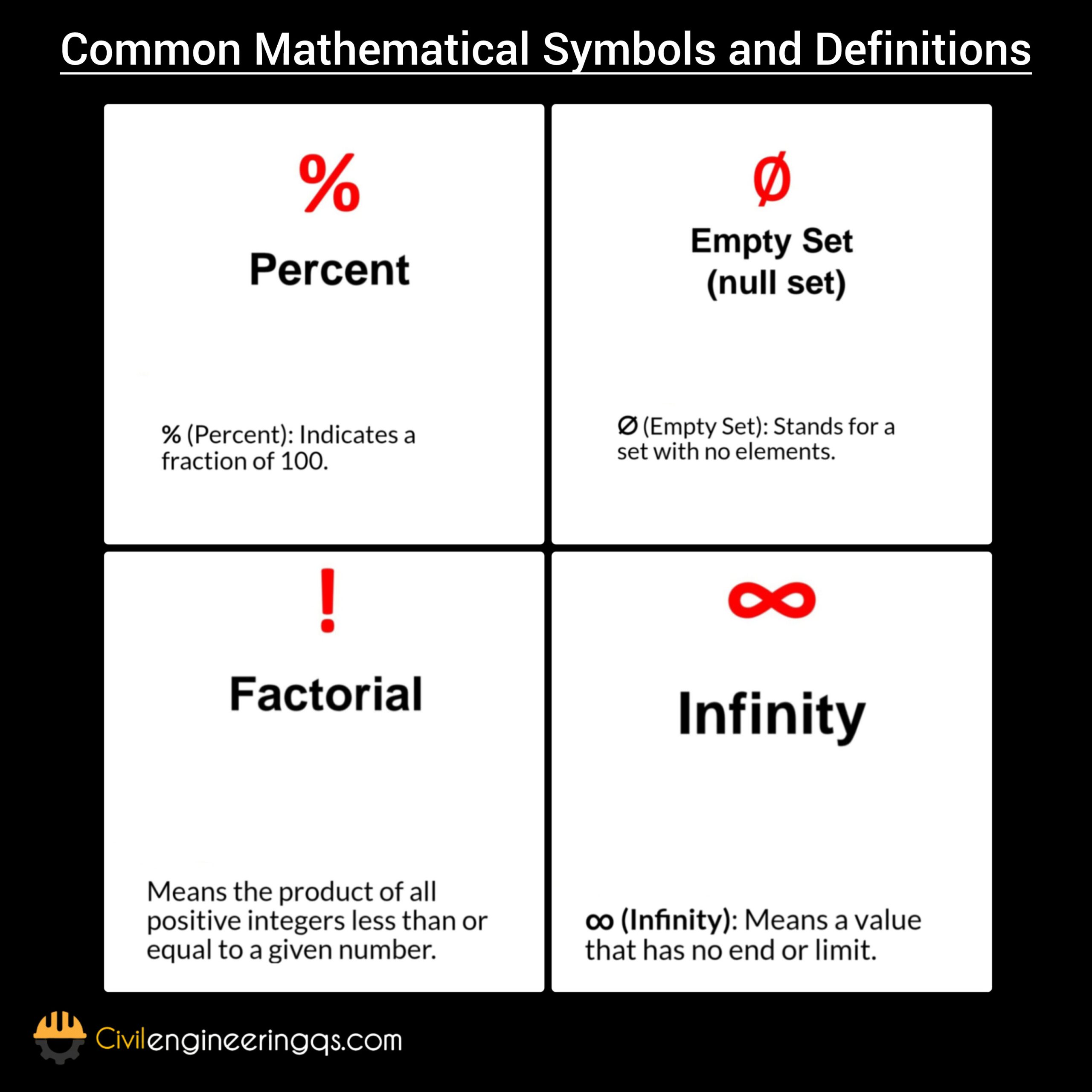
% (Percent): Indicates a fraction of 100.
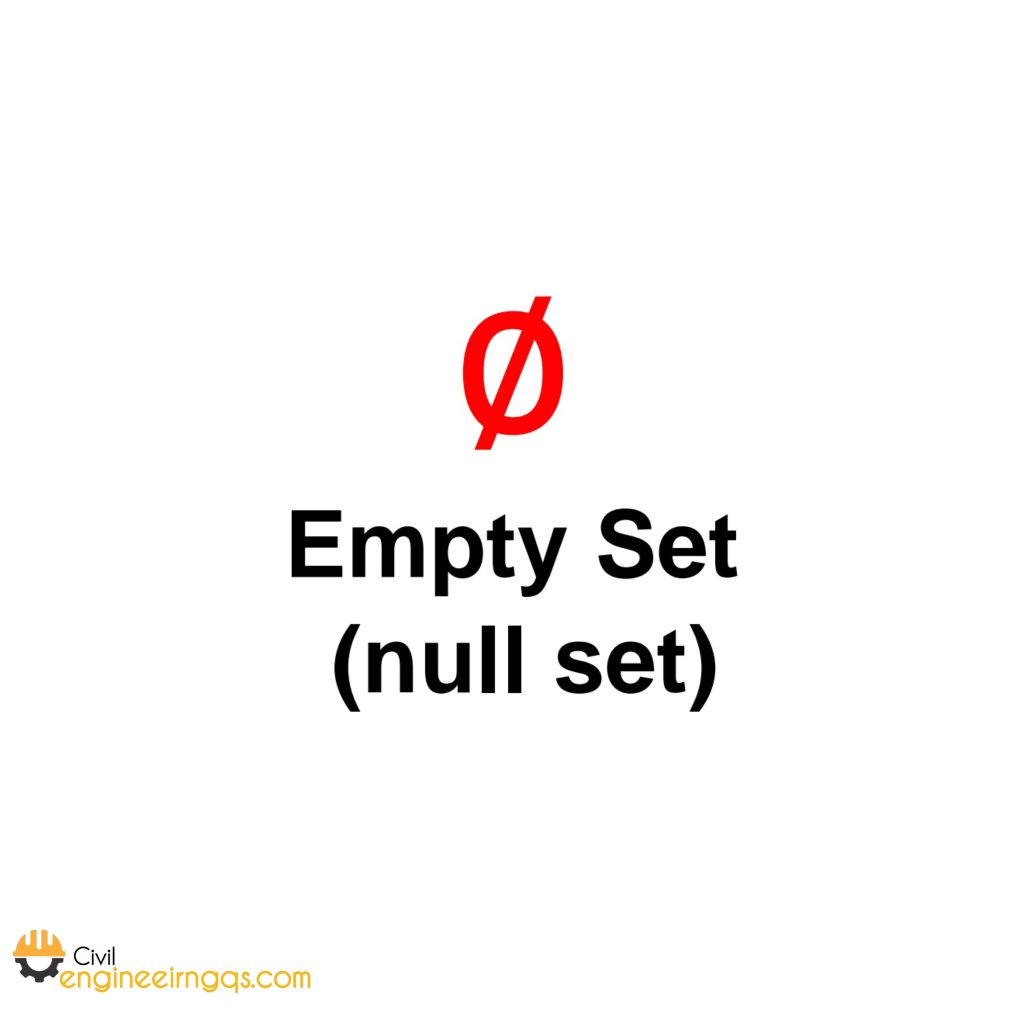
∅ (Empty Set): Stands for a set with no elements.

Means the product of all positive integers less than or equal to a given number.

∞ (Infinity): Means a value that has no end or limit.
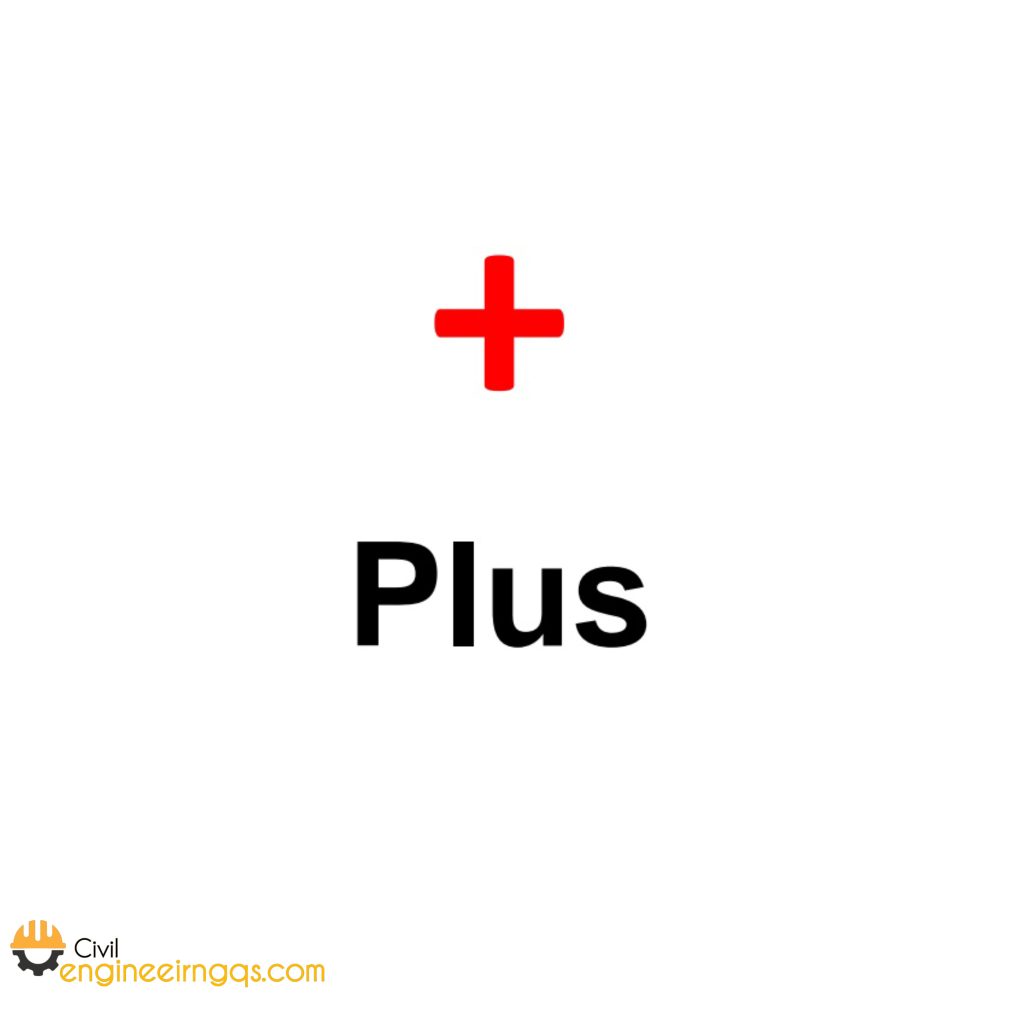
+ (Plus): Used for addition.
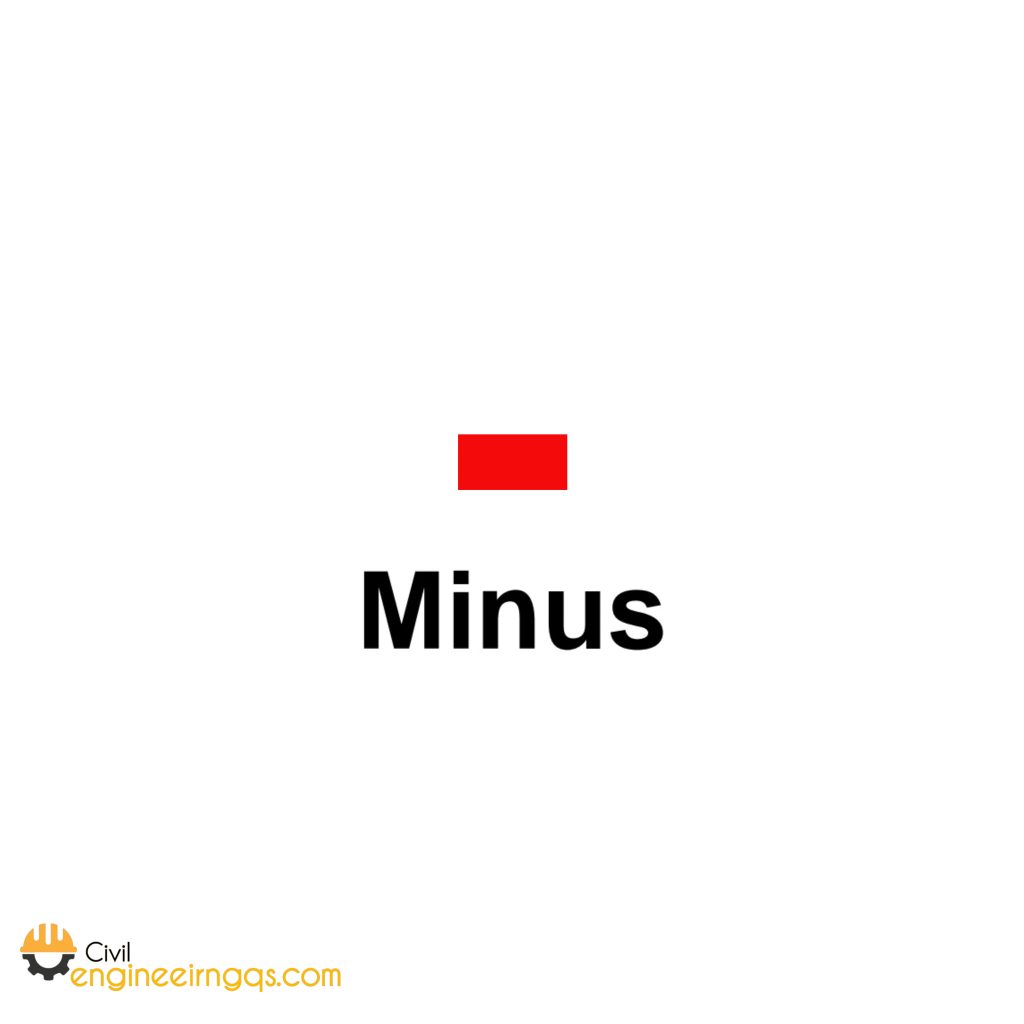
− (Minus): Used for subtraction.
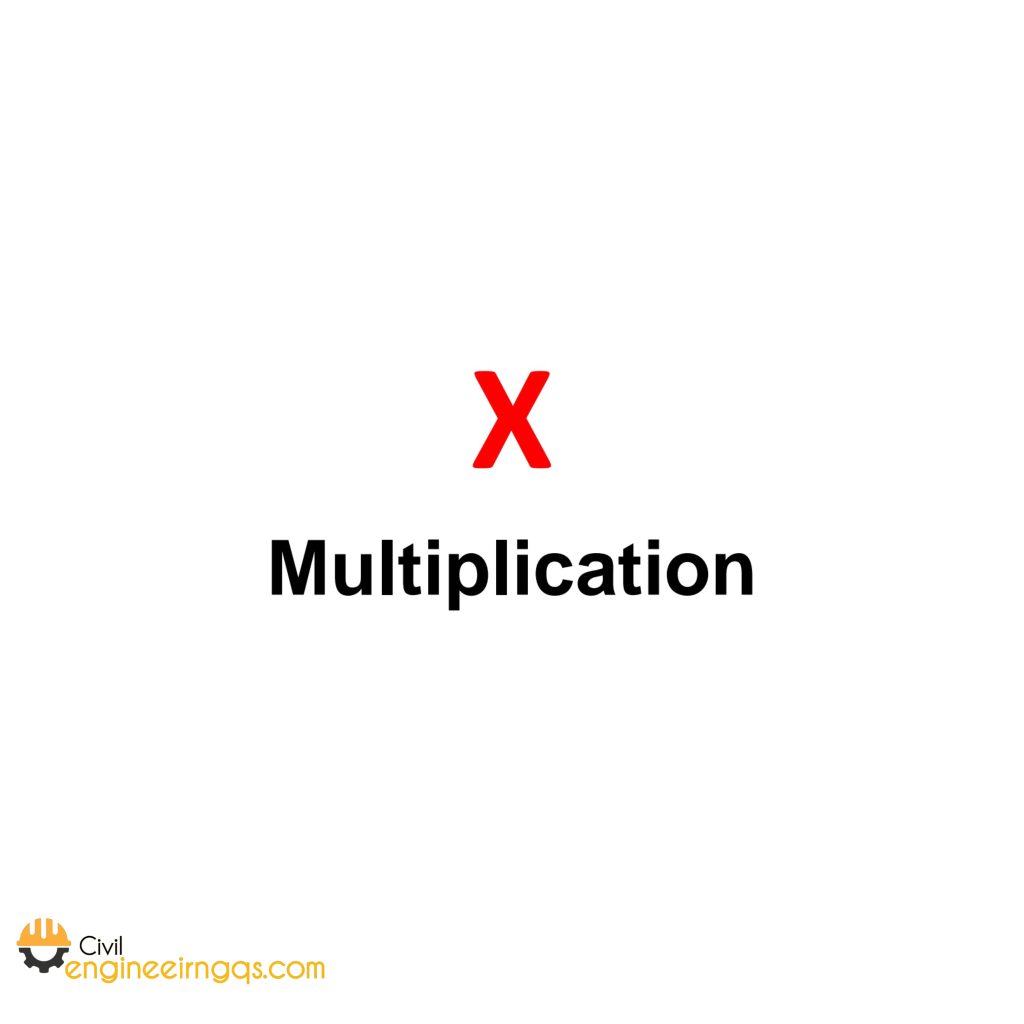
× (Multiplication): Used for multiplying values
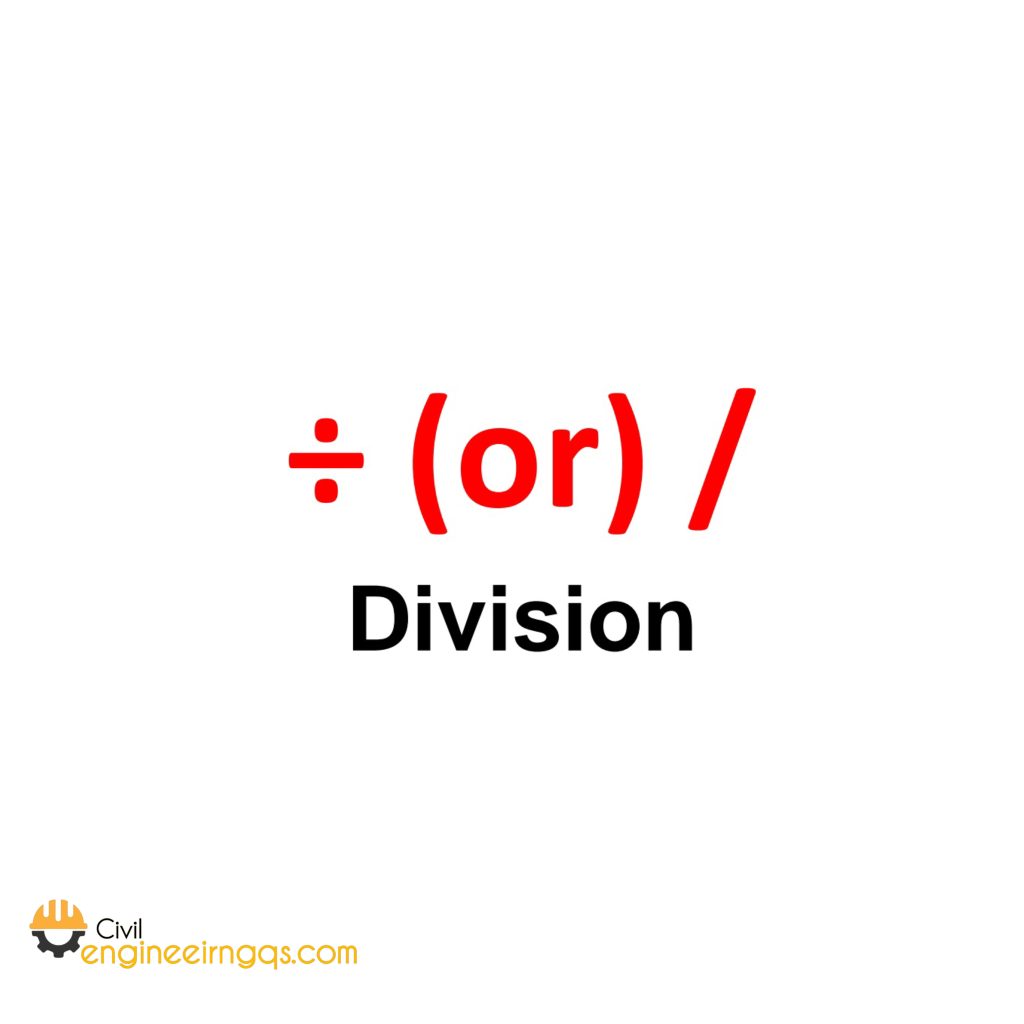
÷ (Division): Used for dividing one number by another.
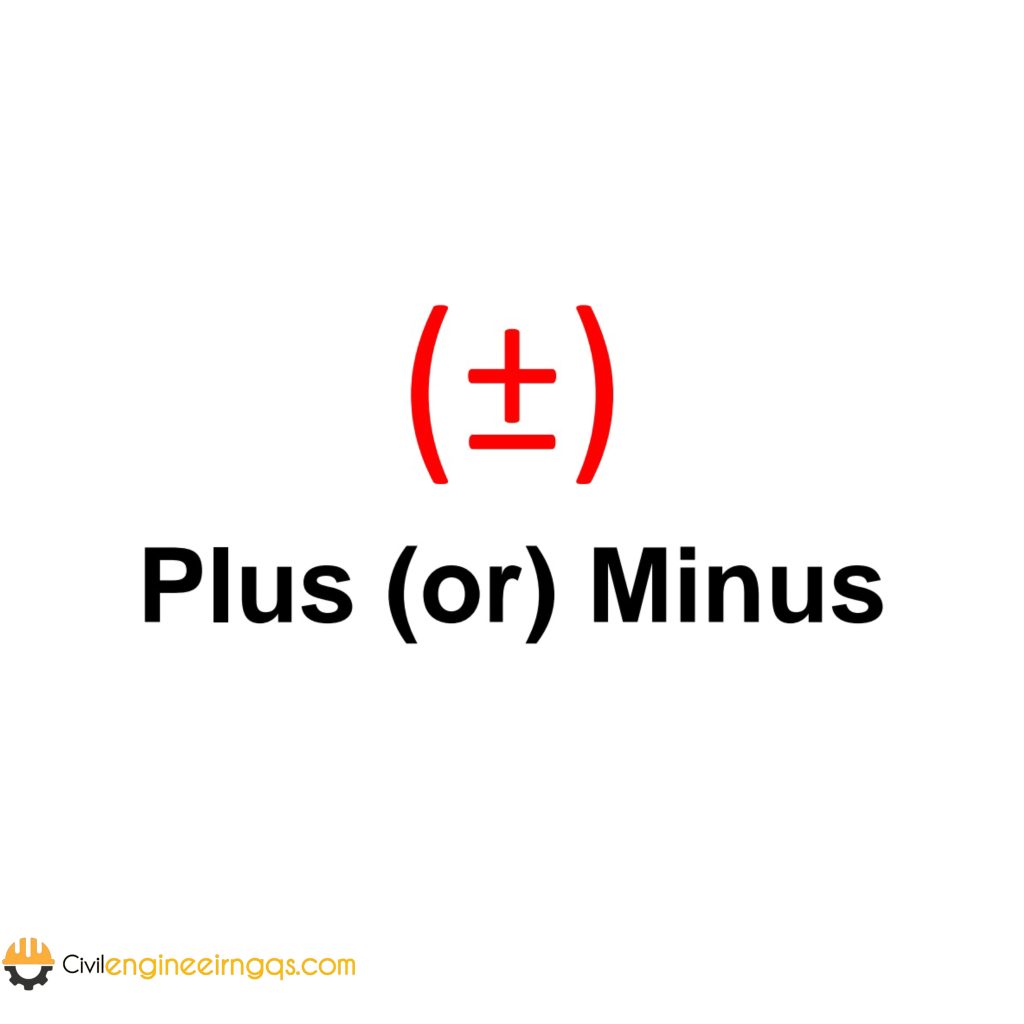
(±) (Plus-Minus): Indicates that a value can be either positive or negative
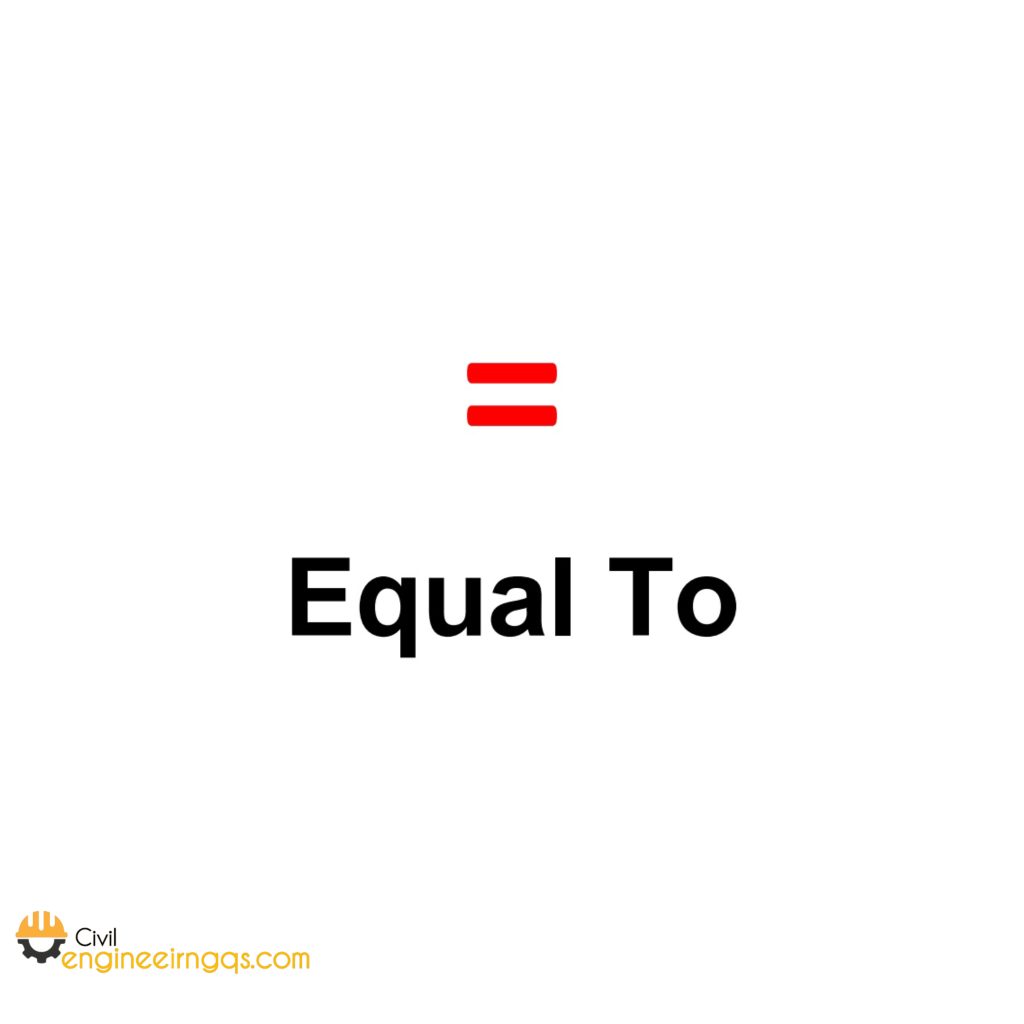
= (Equals): means that two expressions are equivalent.
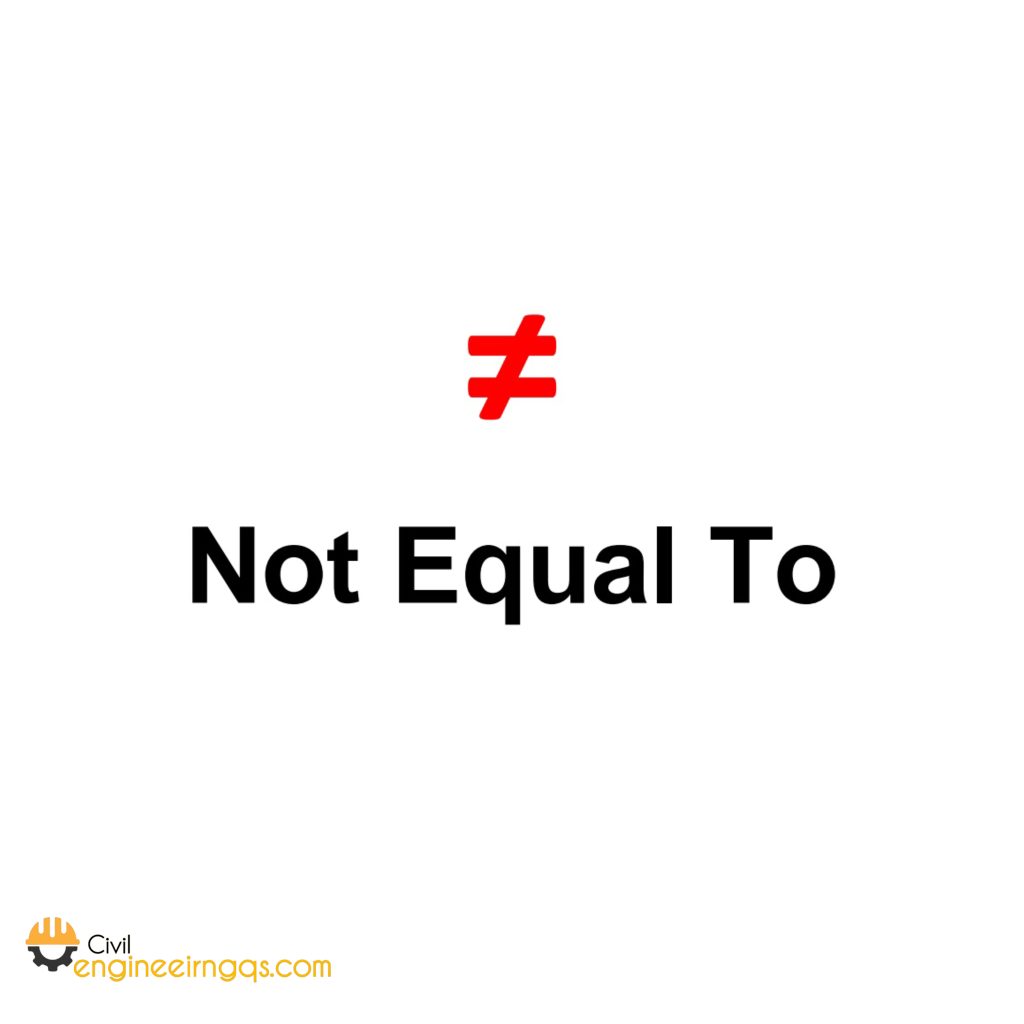
≠ (Not Equal To): means that two expressions are not equal
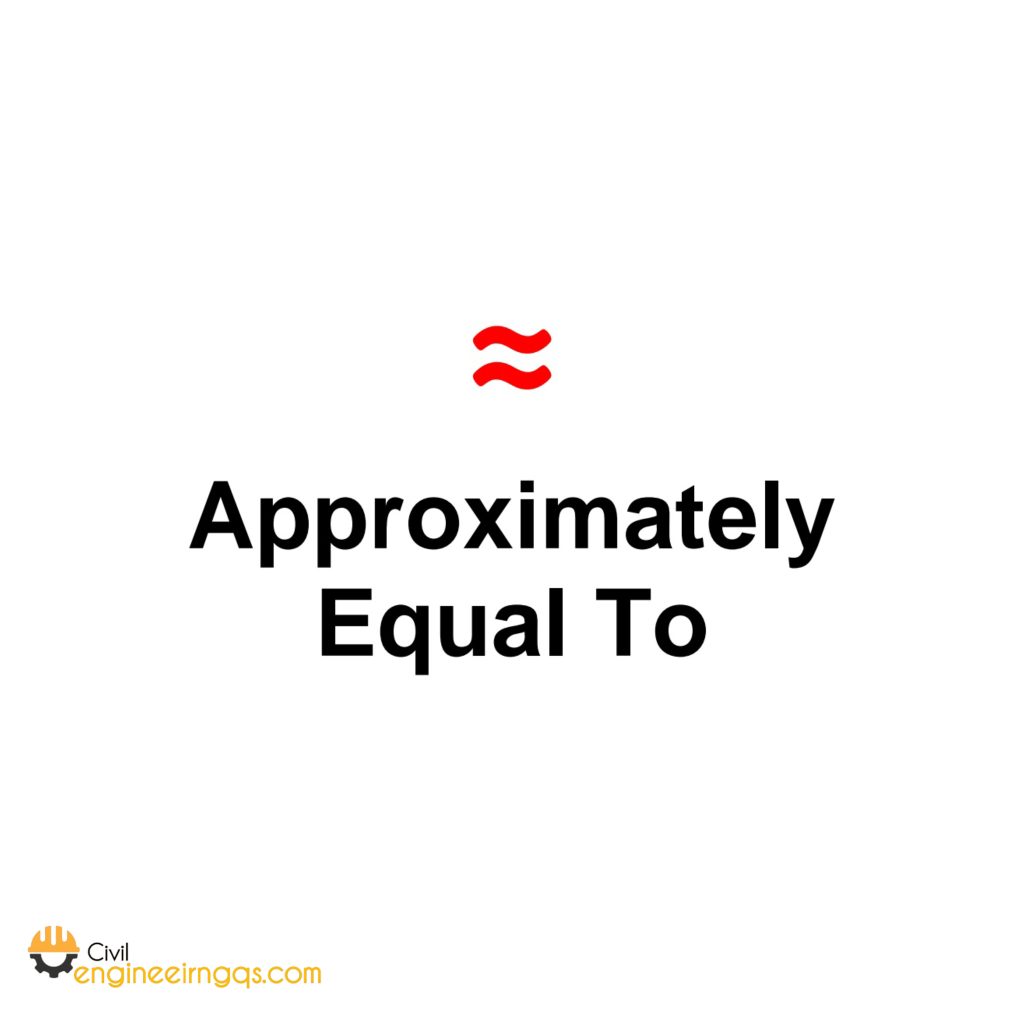
≈ (Approximately Equal To): means that two expressions are approximatly equal (For Example: 3.14 ≈ π.)
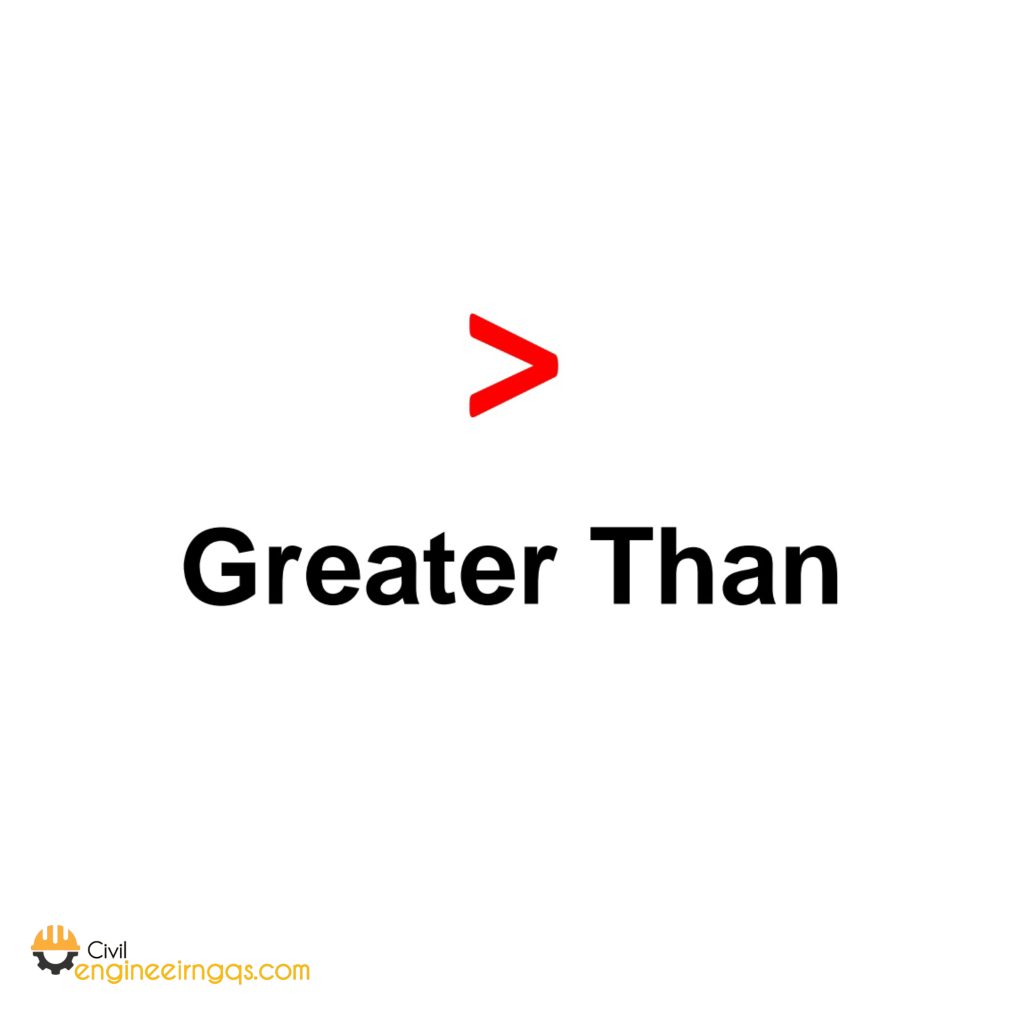
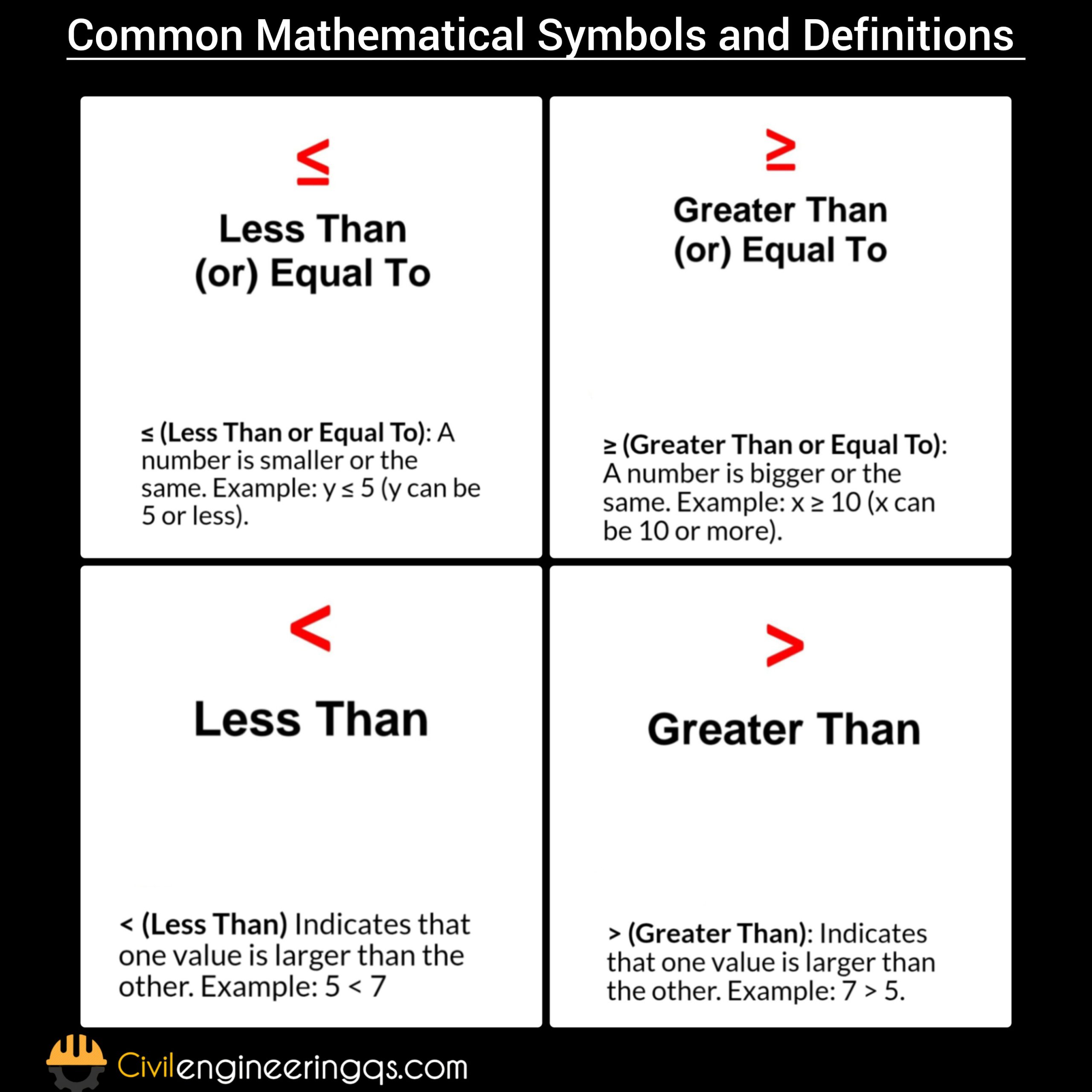
> (Greater Than): Indicates that one value is larger than the other. Example: 7 > 5.
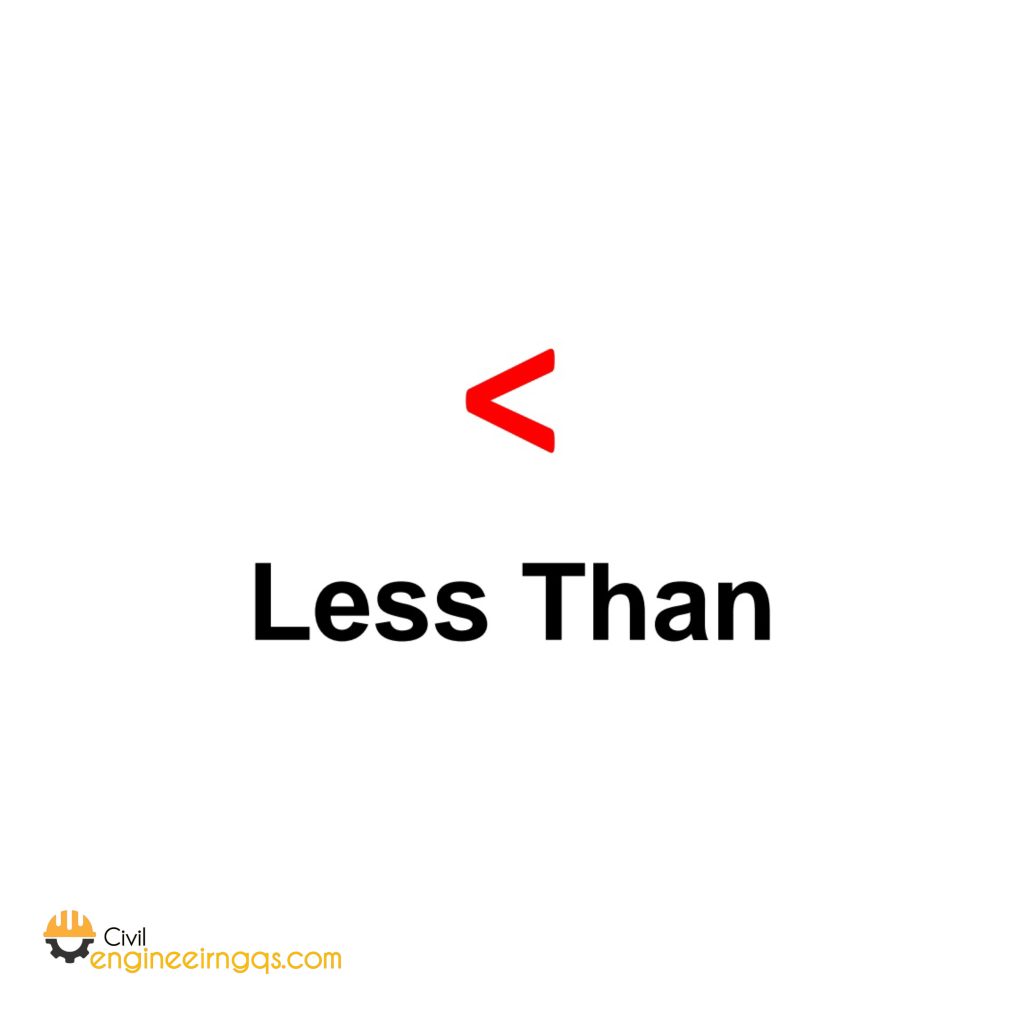
< (Less Than) Indicates that one value is larger than the other. Example: 5 < 7
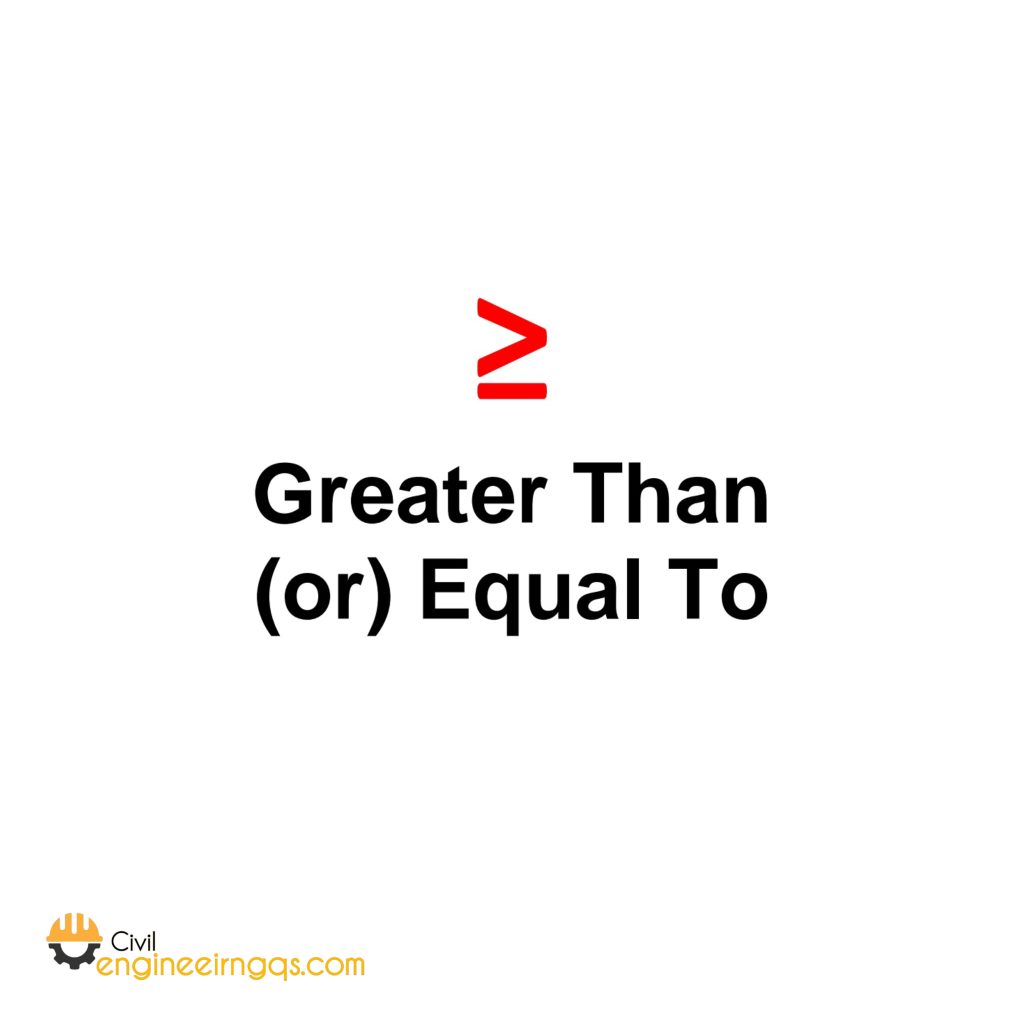
≥ (Greater Than or Equal To): A number is bigger or the same. Example: x ≥ 10 (x can be 10 or more).
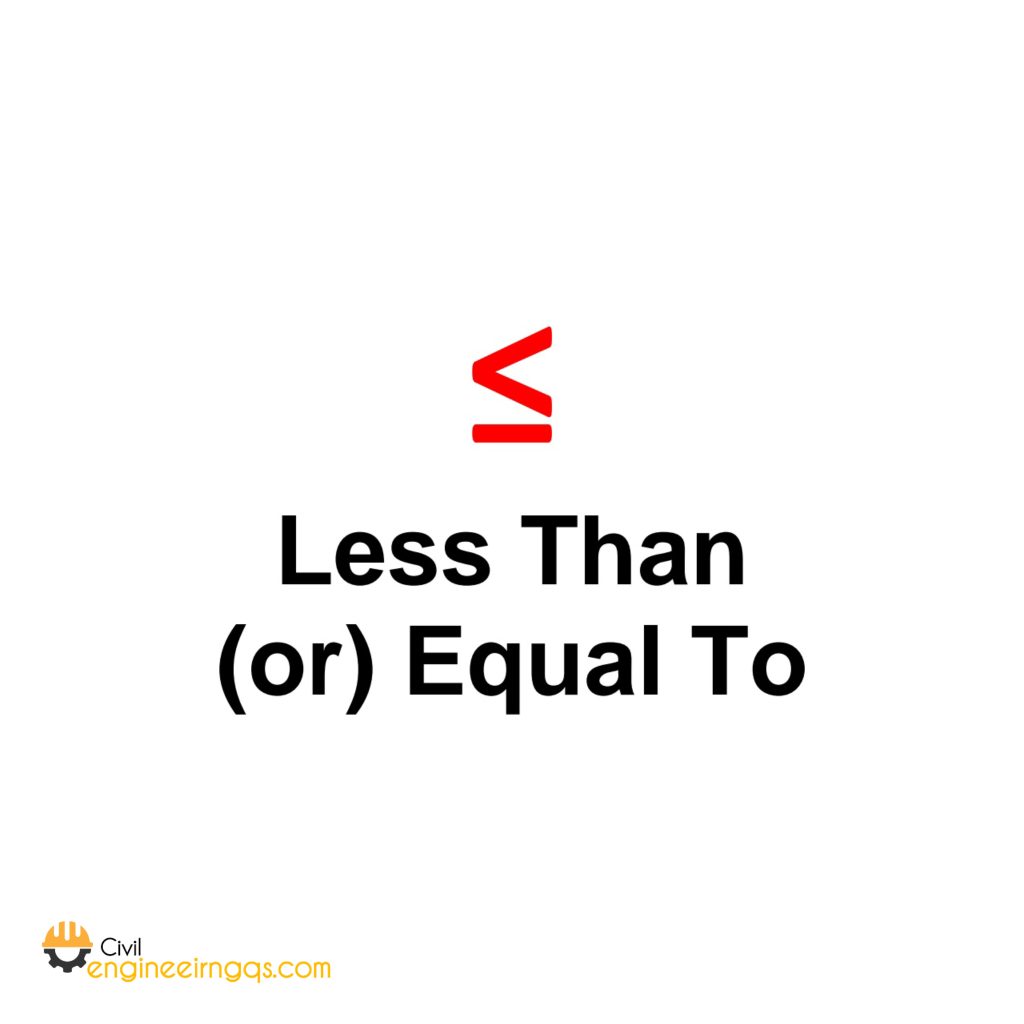
≤ (Less Than or Equal To): A number is smaller or the same. Example: y ≤ 5 (y can be 5 or less).
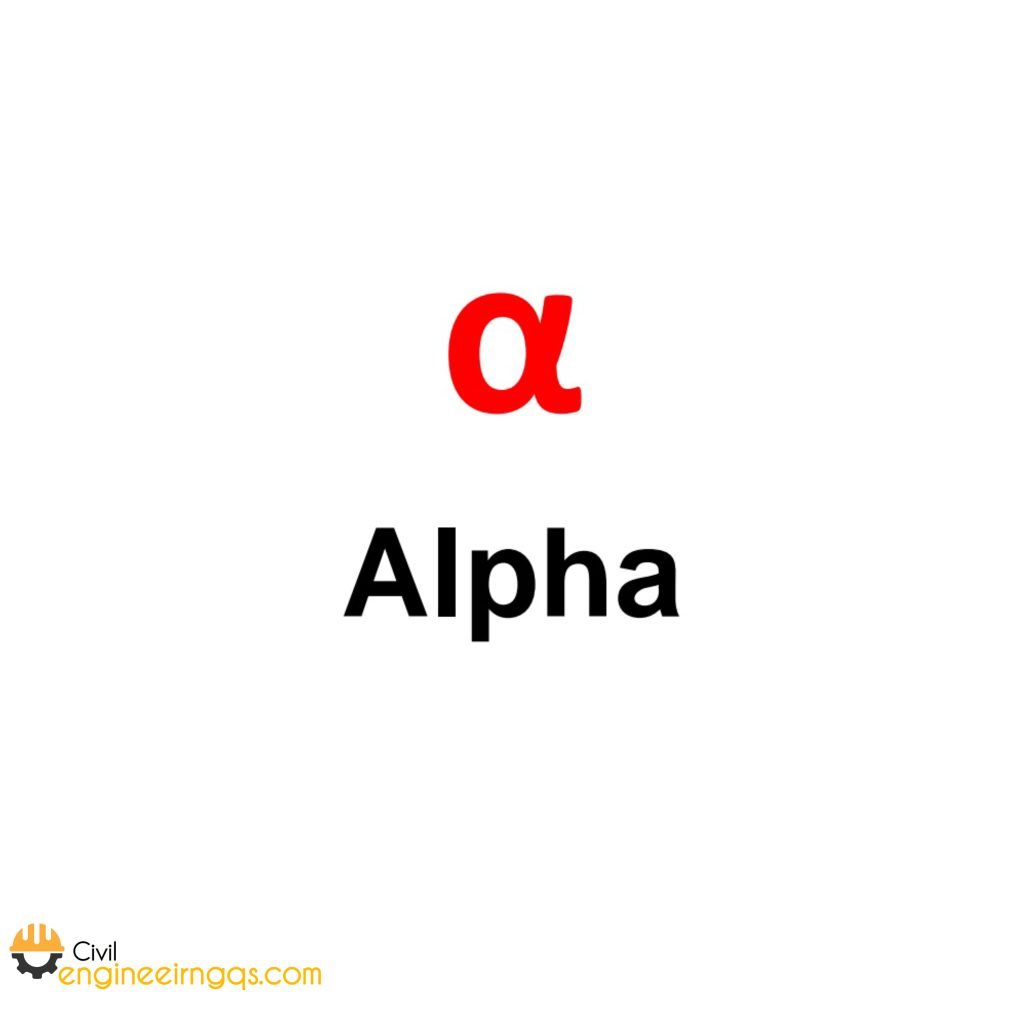
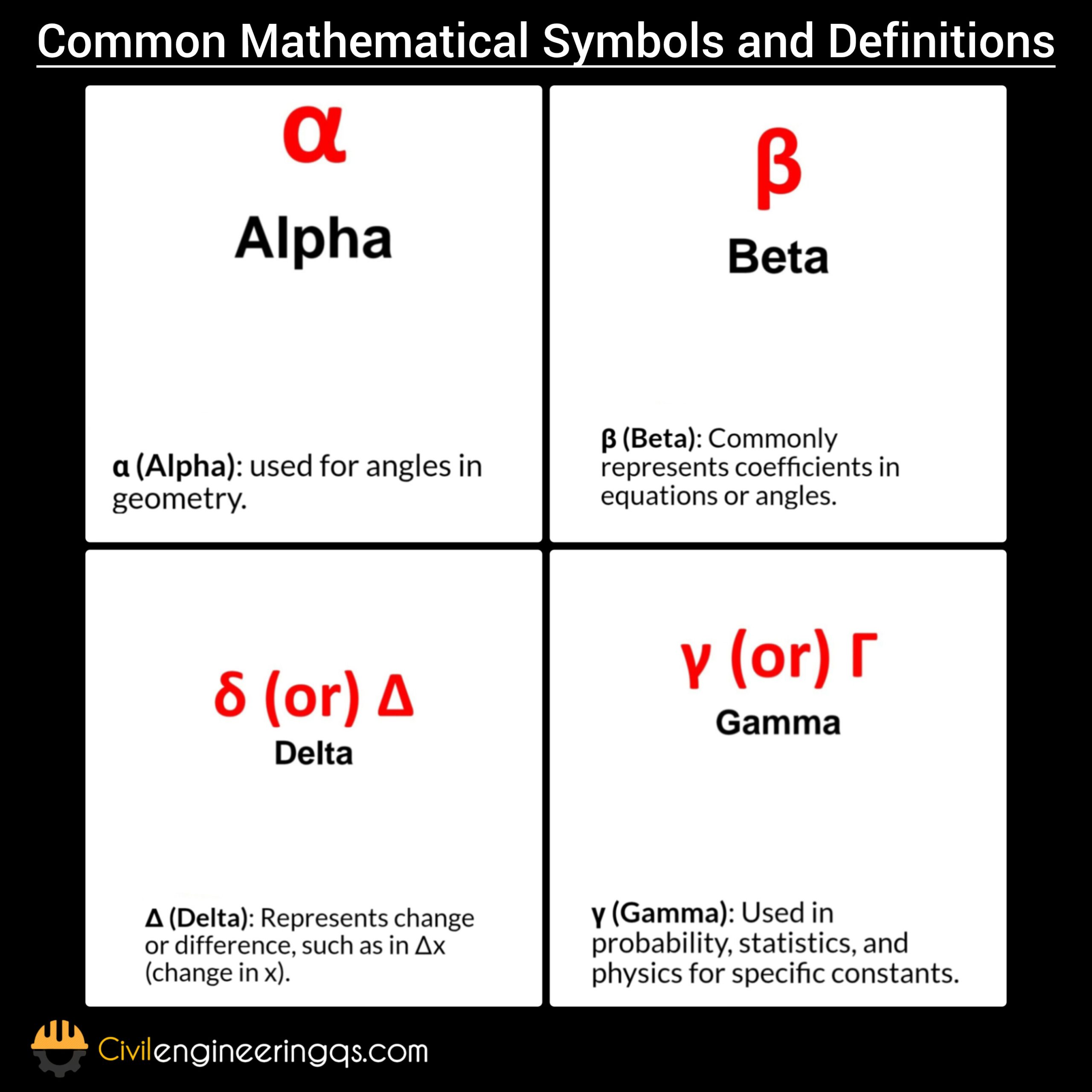
α (Alpha): used for angles in geometry.
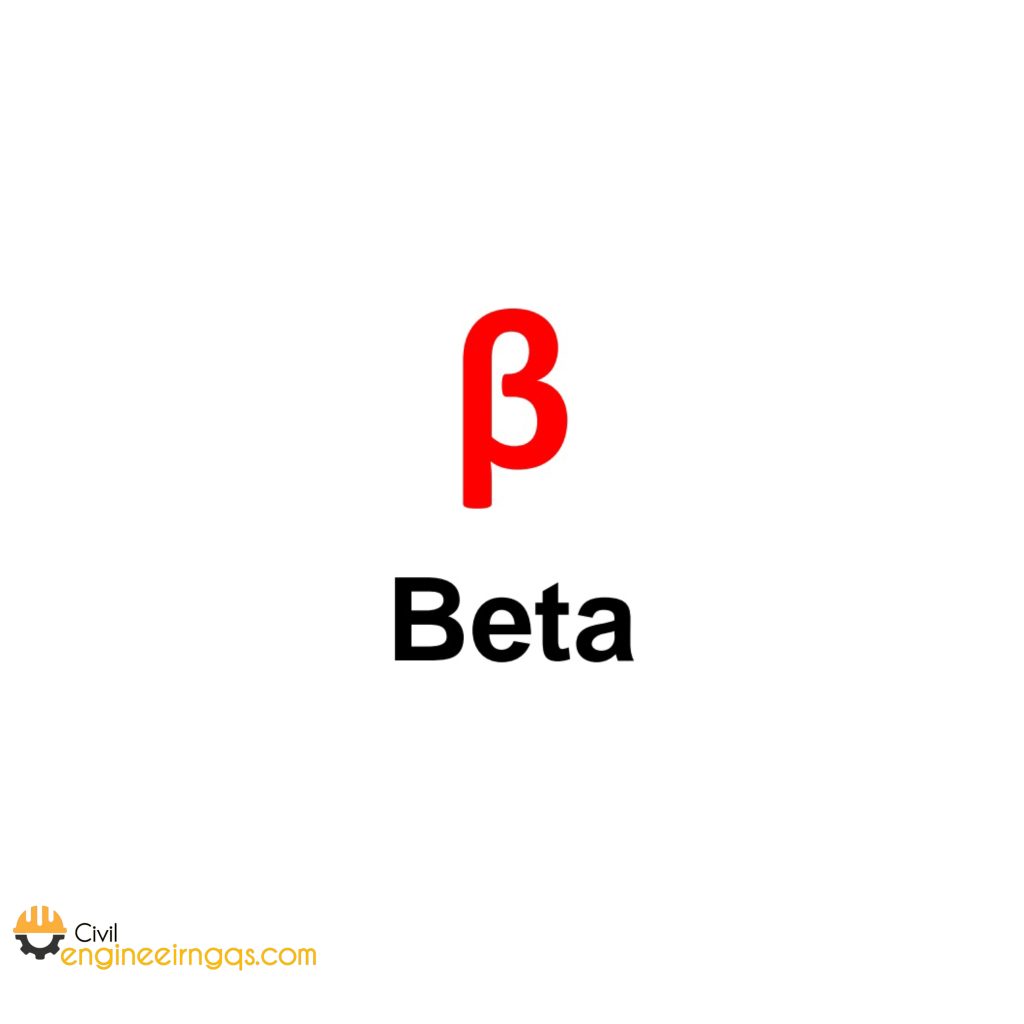
β (Beta): Commonly represents coefficients in equations or angles.
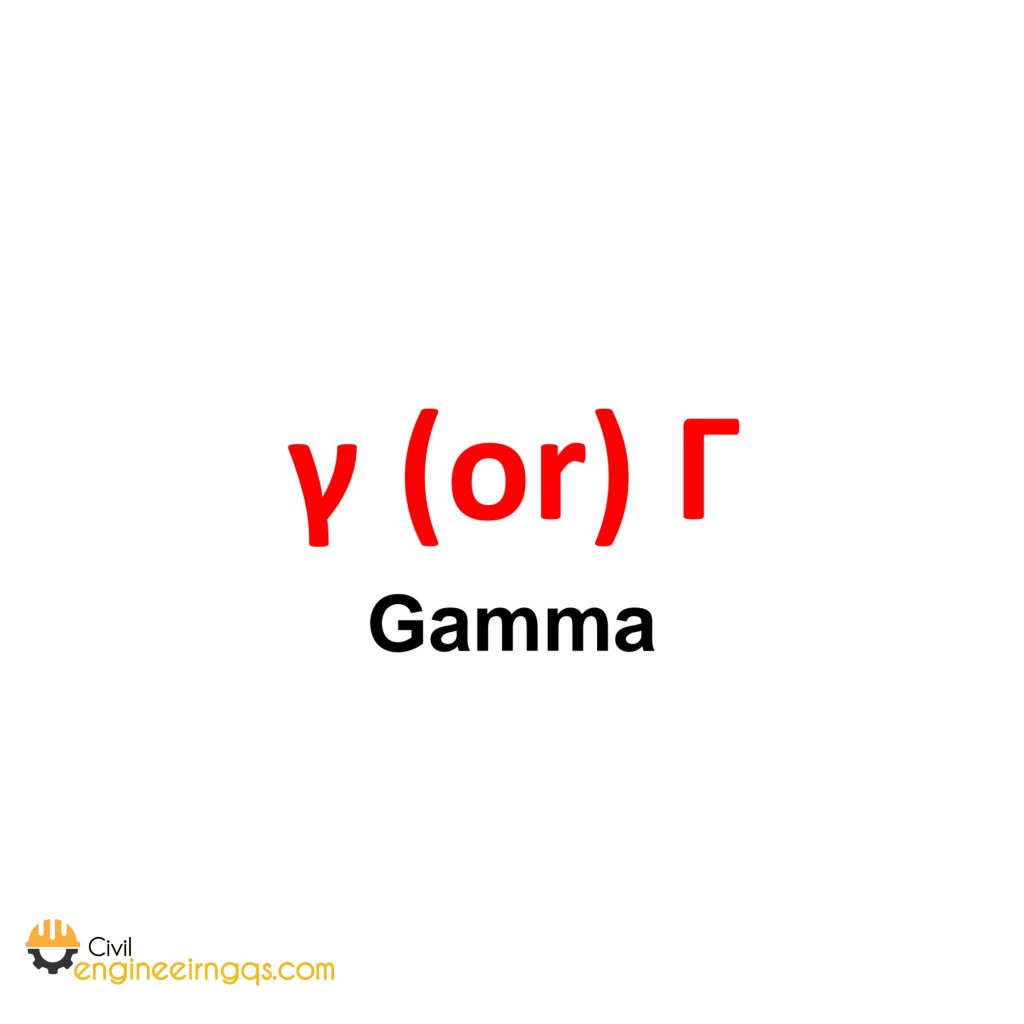
γ (Gamma): Used in probability, statistics, and physics for specific constants.
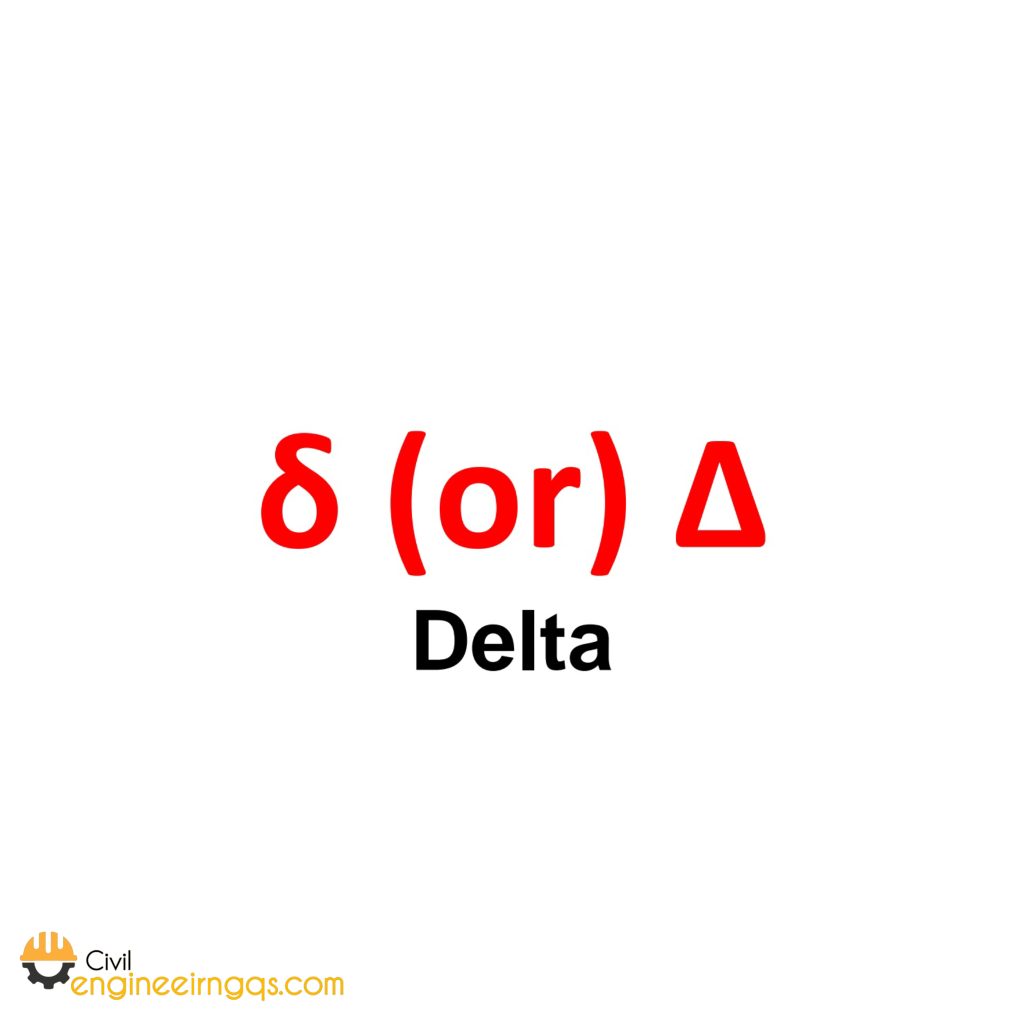
Δ (Delta): Represents change or difference, such as in Δx (change in x).
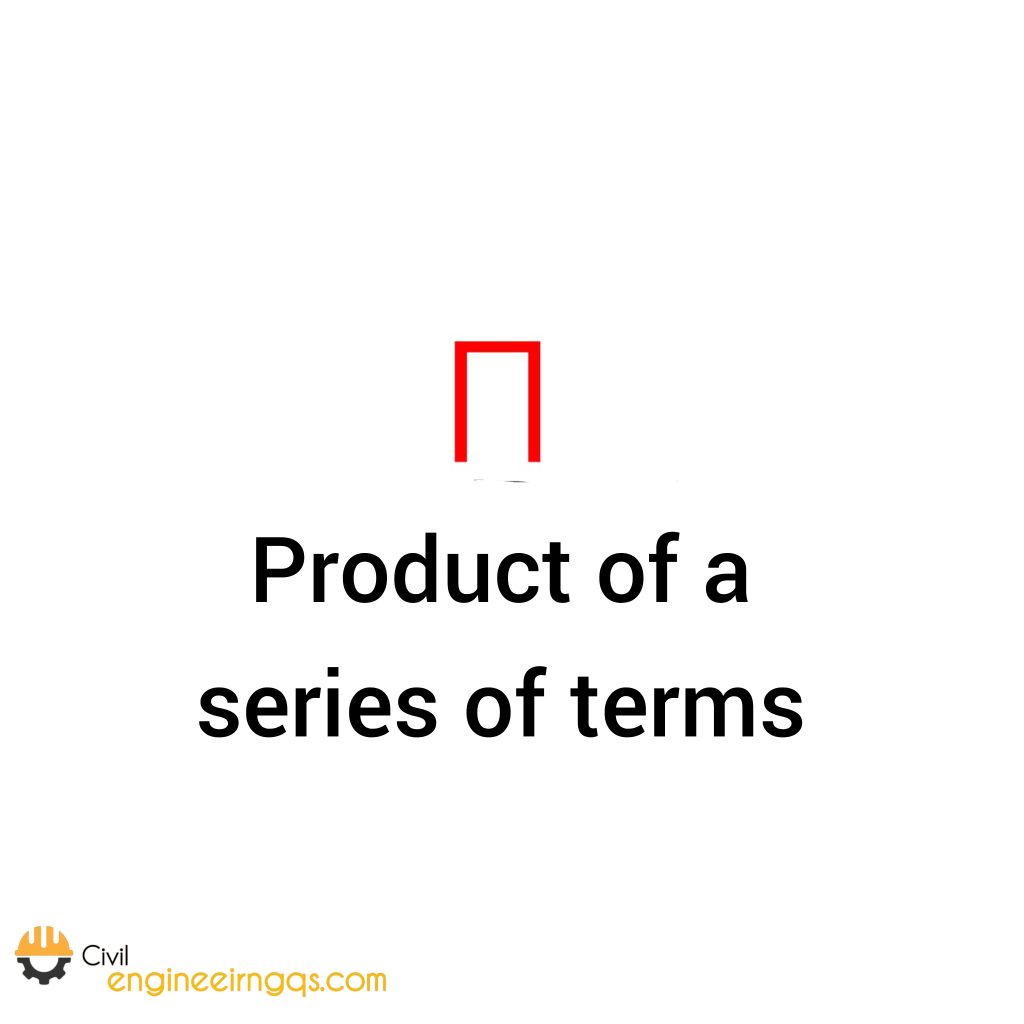
∏ (Product): Means multiplying a series of numbers. Example: 2 × 3 × 4 = 24.
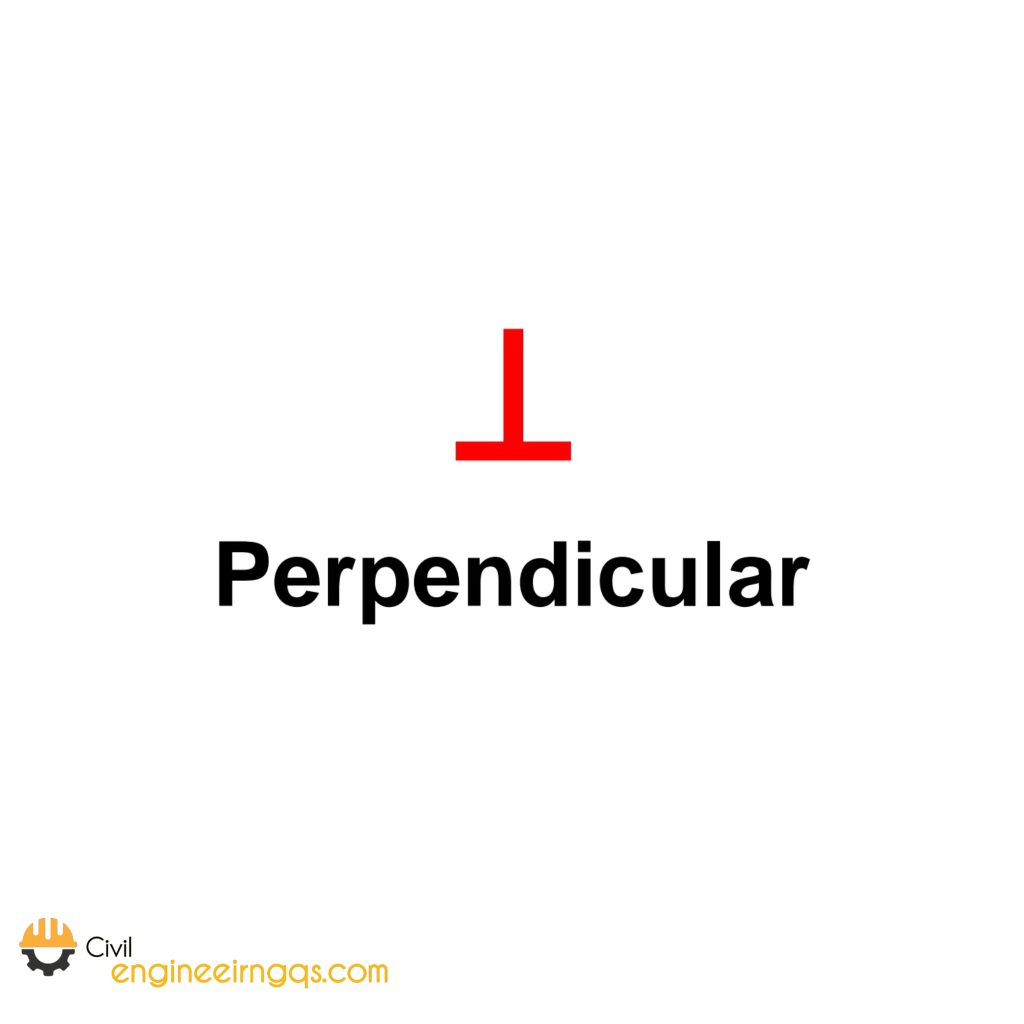
⊥ (Perpendicular): Used in geometry to show two lines meet at a right angle (90°)
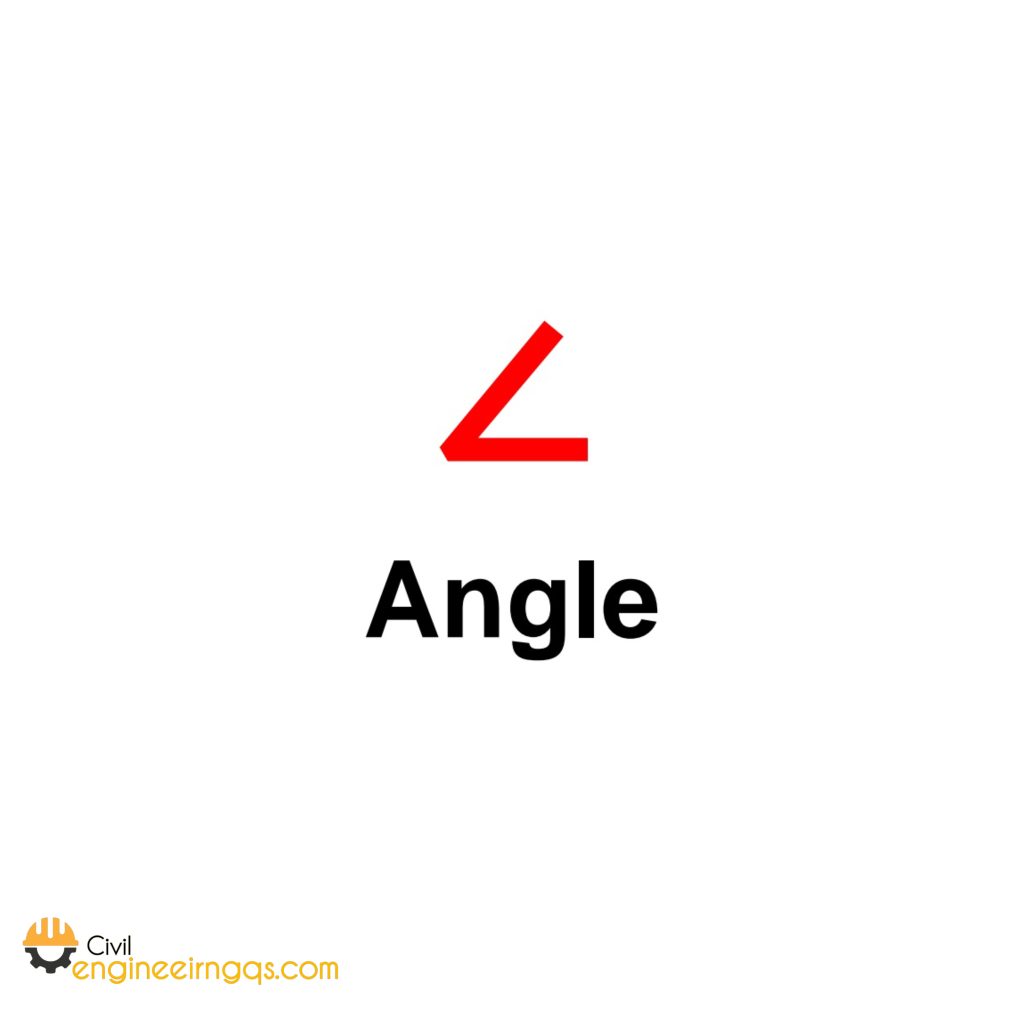
∠ (Angle): Represents an angle. Example: ∠ABC is an angle at point B.

log (Logarithm): Shows how many times a number is multiplied to get another number. Example: log10(100) = 2 (because 10 × 10 = 100).
Tags: Alpha symbol (α) in geometry, Angle symbol (∠) in geometry, Approximately equal to (≈) symbol, Beta symbol (β) in equations, Delta symbol (Δ) for change, Division symbol (÷), Empty set symbol (∅) in math, Equals sign (=) in math, Factorial symbol (n!), Gamma symbol (γ) in probability and physics, Greater than or equal to symbol (≥), Greater than symbol (>), Infinity symbol (∞) meaning, Integral symbol (∫) in calculus, Less than or equal to symbol (≤), Less than symbol (<), Logarithm (log) definition and usage., Minus symbol (−) usage, Multiplication symbol (×) explained, Not equal to (≠) symbol, Percent symbol (%), Perpendicular symbol (⊥) in geometry, Pi symbol (π) and its value, Plus symbol (+) in mathematics, Plus-minus symbol (±) in equations, Product symbol (∏) in math, Sigma symbol (Σ), Square root symbol (√)
Share Post
  • Twitter
  • Facebook
  • VK
  • Pinterest
  • Mail to friend
  • Linkedin
  • Whatsapp
  • Skype
How to calculate the slant len...
Portable Grinder Inspection Ch...

Related posts

Read more

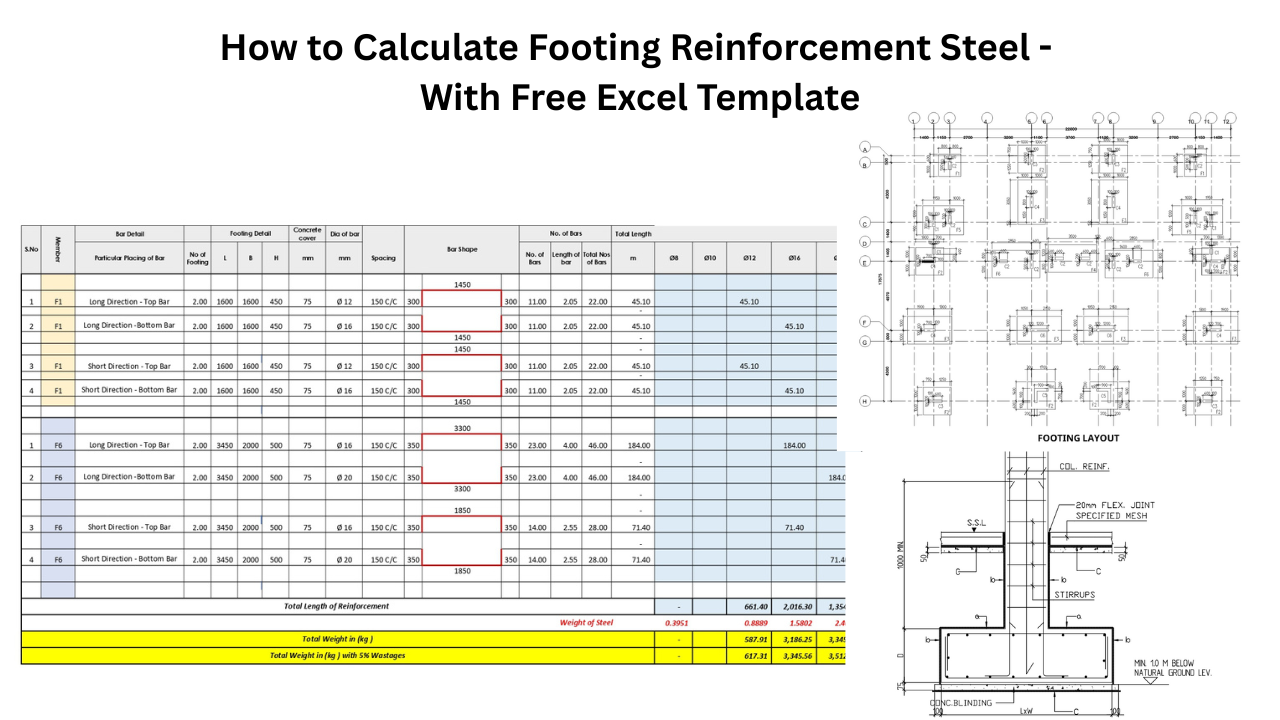
How to Calculate Footing Steel Reinforcement – Free Excel BBS Template

Continue reading
Read more

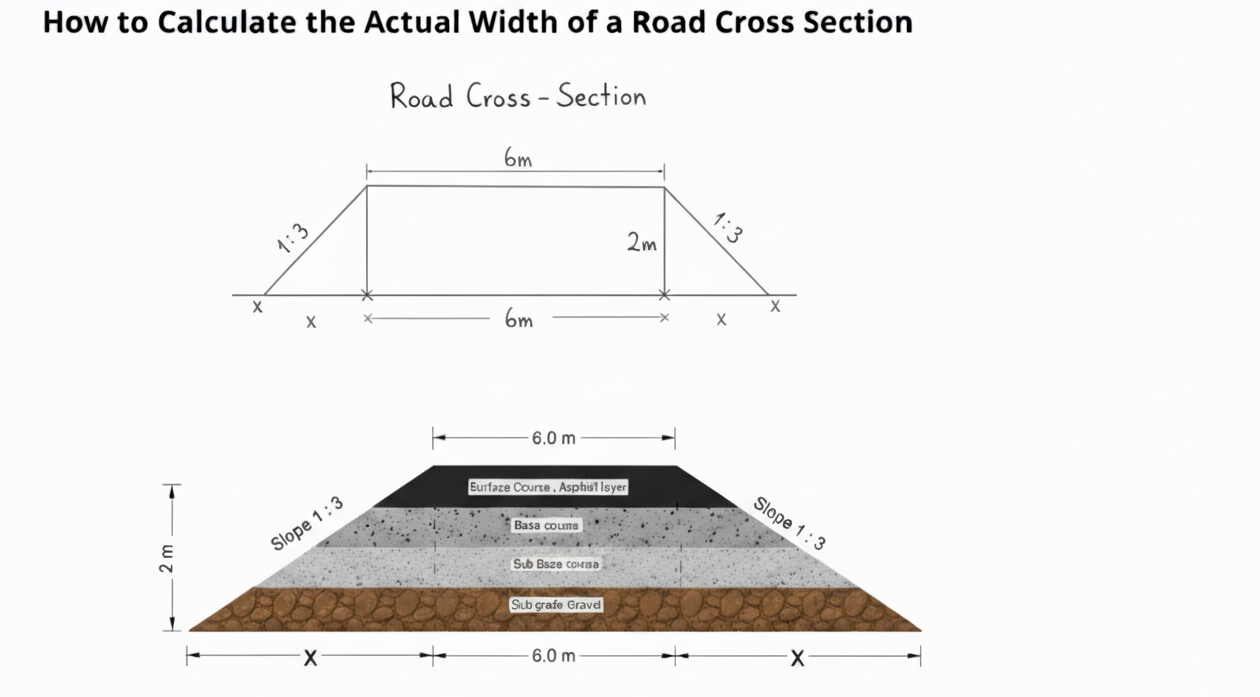
How to Calculate the Actual Width of a Road Cross Section

Continue reading
Read more

How to Calculate Footing Steel Reinforcement – Free Excel BBS Template

Continue reading
Read more

How to Calculate the Weight of Reinforced Concrete Elements (Beam, Column, Slab)

Continue reading
Read more

How to Calculate Cutting Length of Rectangular Column Ties (Stirrups)

Continue reading

Add comment Cancel reply

Your email address will not be published. Required fields are marked

Search

Categories

  • 3D Elevation (19)
  • 3D Interior (27)
  • AutoCAD Drawing (63)
  • Basics of Engineering (57)
  • Bill of Quantity (10)
  • Calculator (4)
  • Civil Engineering Gallery (19)
  • Construction Templates (26)
  • Estimation (32)
  • INFO (2)
  • Math Puzzle (12)
  • Method Statements (5)

Latest Post

How to Calculate Footing Steel Reinforcement ...

April 20, 2026 0

Contractor Inspection Request Form Template -2

March 16, 2026 0

Checklist for Block Work Template

February 5, 2026 0

Checklist for Concrete Work Template

February 4, 2026 0
Home
Shop
0 Wishlist
Search
Engineering Logo

Commit to Excellence

Get in touch with us

f you’ve got great templates and work dashboards your looking to work with us then drop us a line.

Facebook Instagram Pinterest
  • Information

    • Privacy Policy

    • Contact Us

    • Refund policy

Copyright © 2026 – Civil Engineering QS